
Ar. R. Lalrinzuala, Aizawl
Winners of Architect of the Year Award - Indian Architecture Awards (IAA)
Project Name:
School of Architecture, Mizoram University
Year of Commencement:
2022
Year of Completions:
2024
Name of Firm:
Catalyst Architecture
Location:
Aizawl
Size:
4280 Sq.m.
Project type:
Educational Building
Project Description
INTENT
This architecture school is envisioned as an inspiring learning environment that encourages aspiring students to stay grounded. By responding to the local context, the campus promotes an understanding of our roots and surroundings. Informal learning spaces that spark dialogue and interaction are designed to nurture discovery and intellectual growth.
LOCATION & SITE
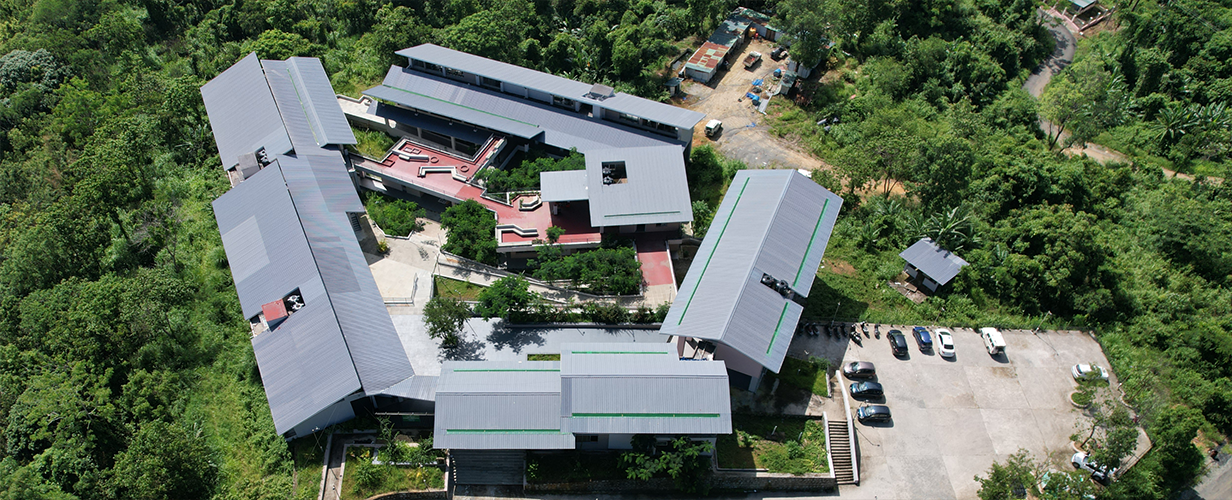
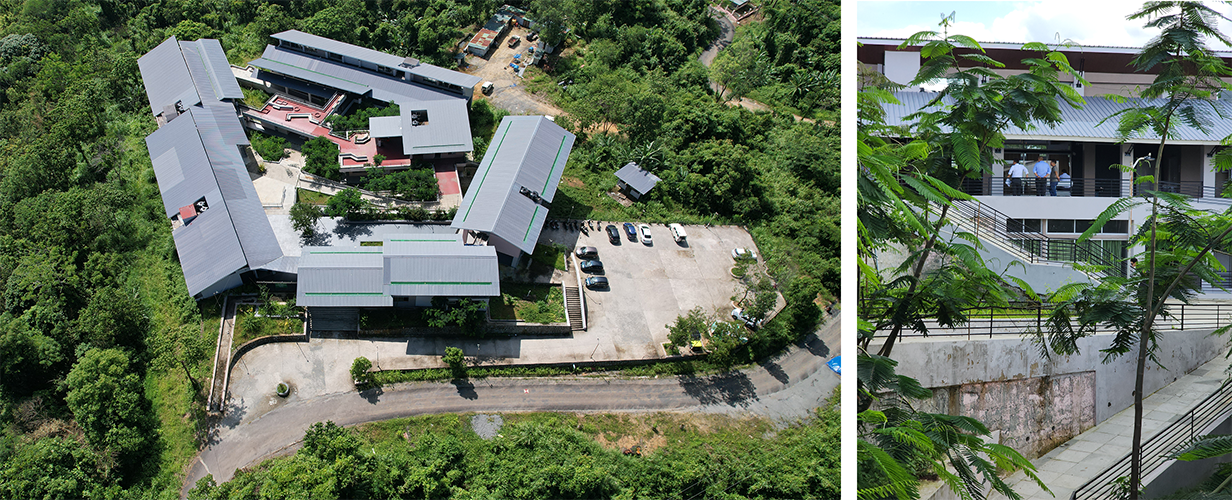
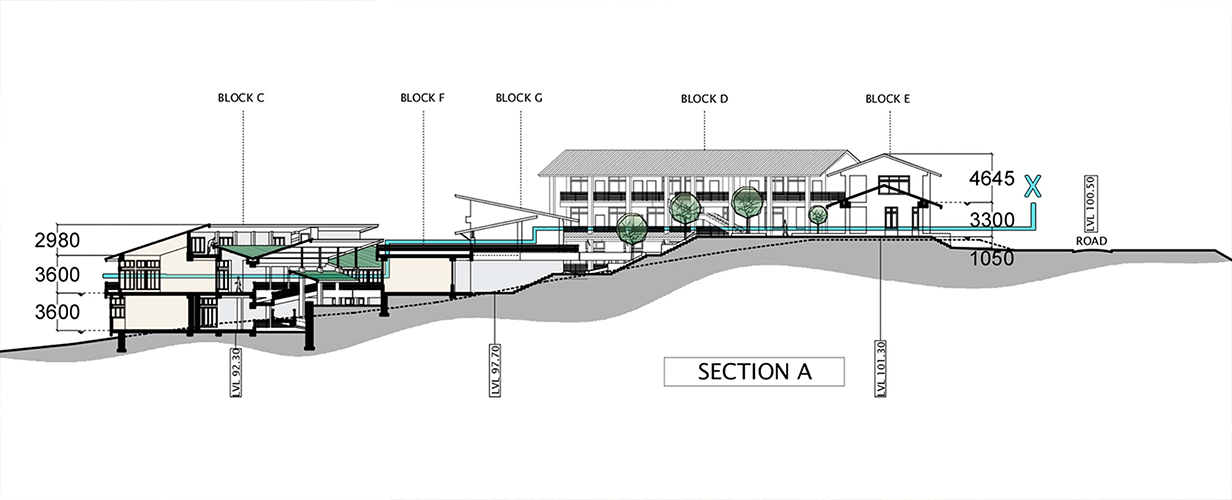
The school is sited on a 2-acre stretch of rolling hills on the far edge of Mizoram University’s campus, surrounded by forests. From the road, the site rises 1 metre before sloping down westward at a 14-degree incline. It offers a sweeping 180-degree view of the surrounding hills. The climate is humid sub-tropical, with moderately hot summers and cool winters. Annual rainfall ranges from 1800–2150mm, and cool breezes prevail throughout the year.
BUILT FORM – Response to Topography and Climate
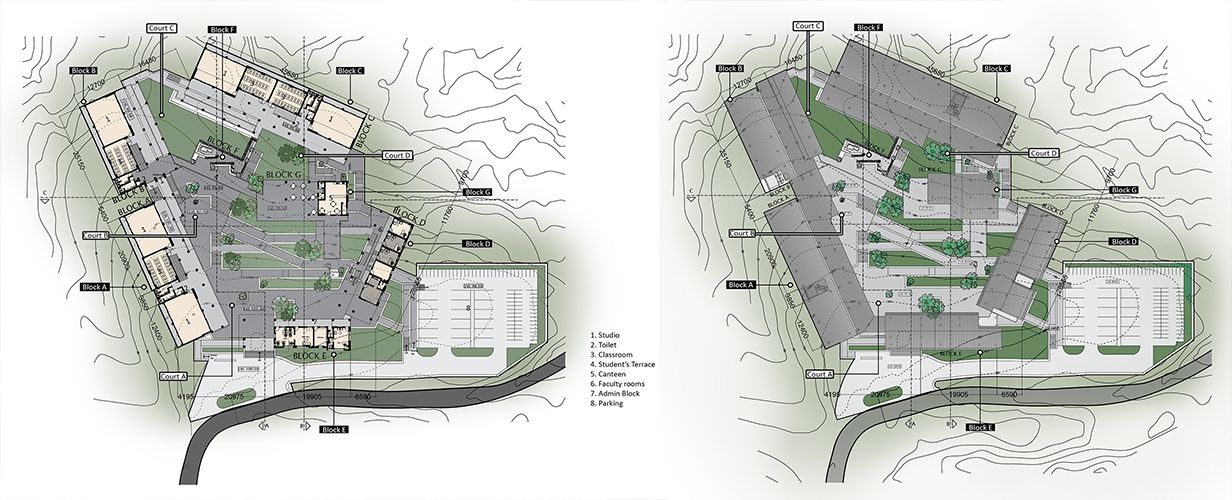
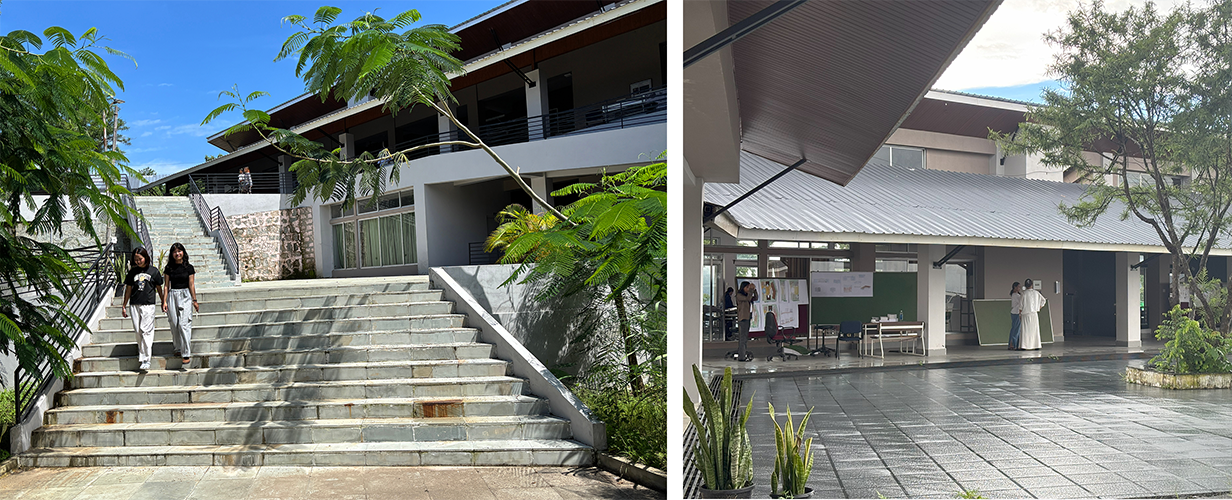
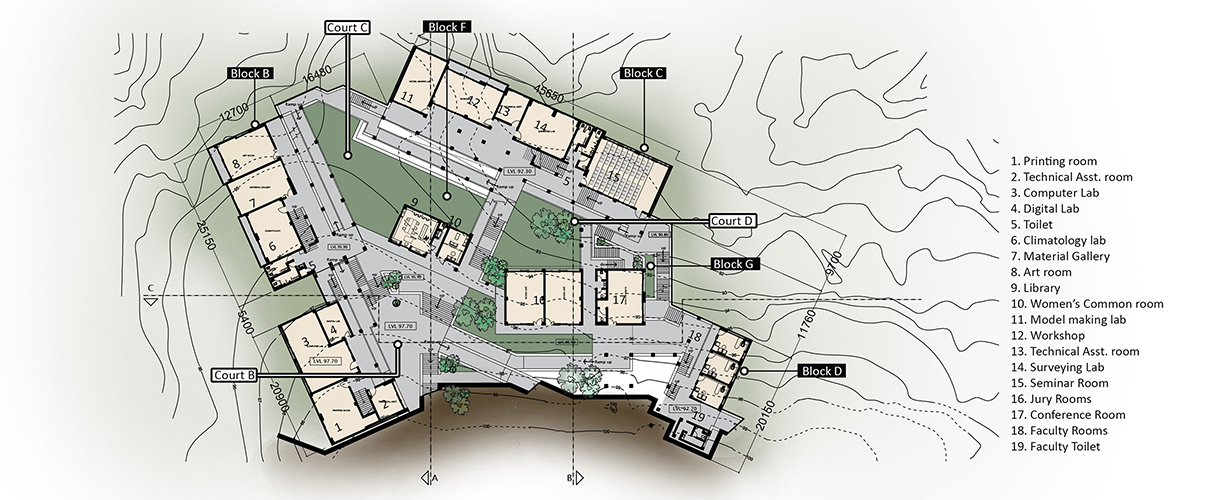
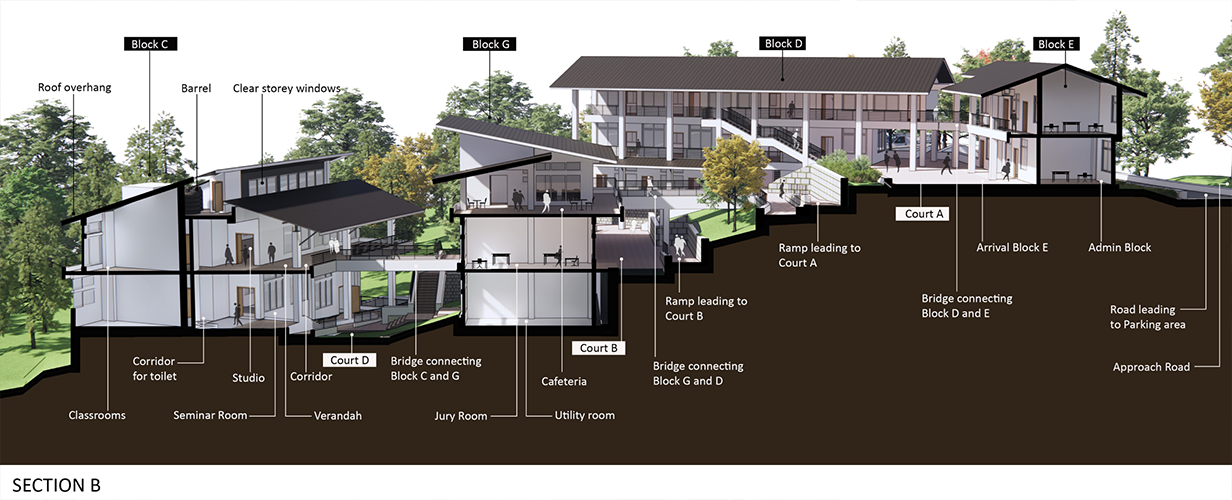
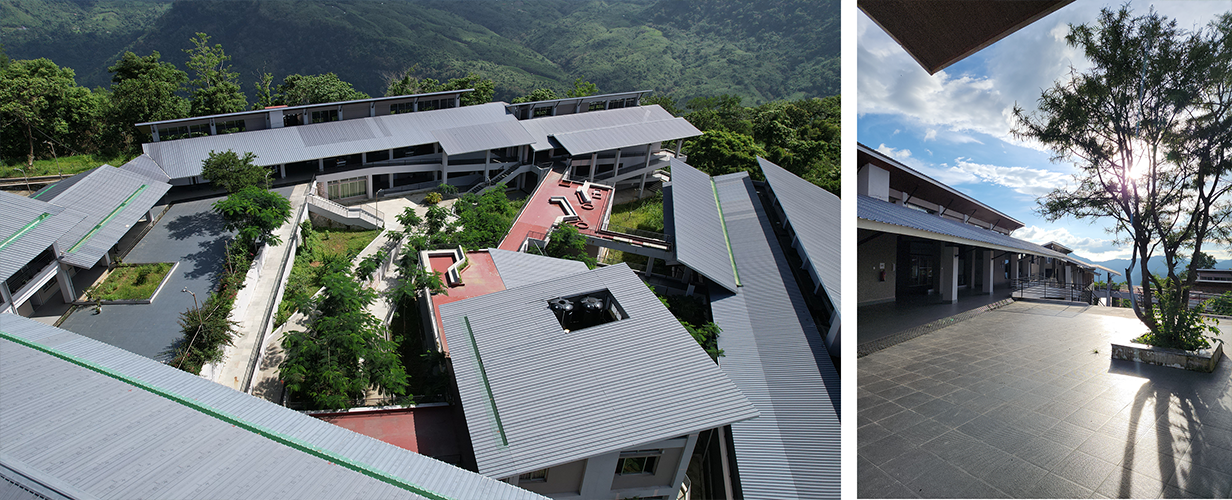
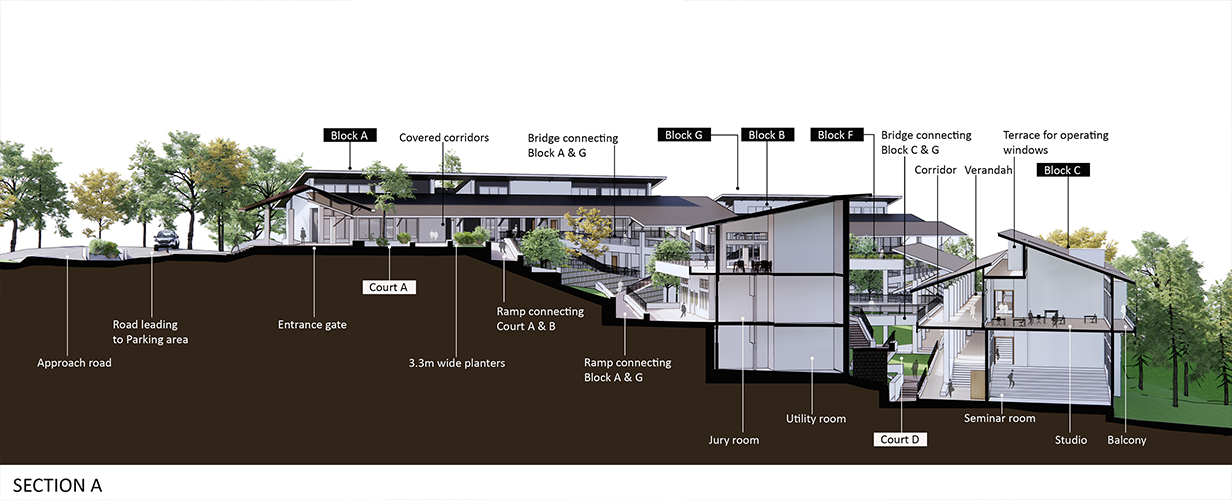
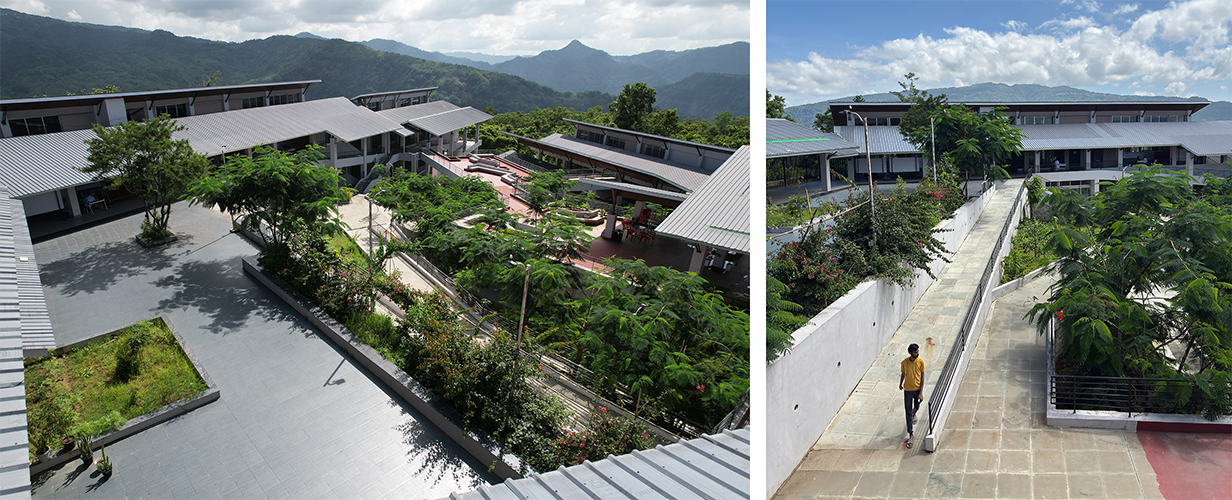
The design seeks to preserve the natural terrain, embedding the building into the landscape with minimal disruption to the topography. To ensure the built form does not dominate, the program is expressed as a series of low-rise buildings arranged around a central quadrangle with several courtyards.
A level difference of 8.7 metres between the entrance and the lowest court allows the blocks to cascade naturally down the slope. The resulting courtyards double as informal gathering areas and impromptu performance spaces. A cafeteria and student terrace anchor the quadrangle and remain visible from all blocks. The stepped layout also ensures uninterrupted views of the distant mountains.
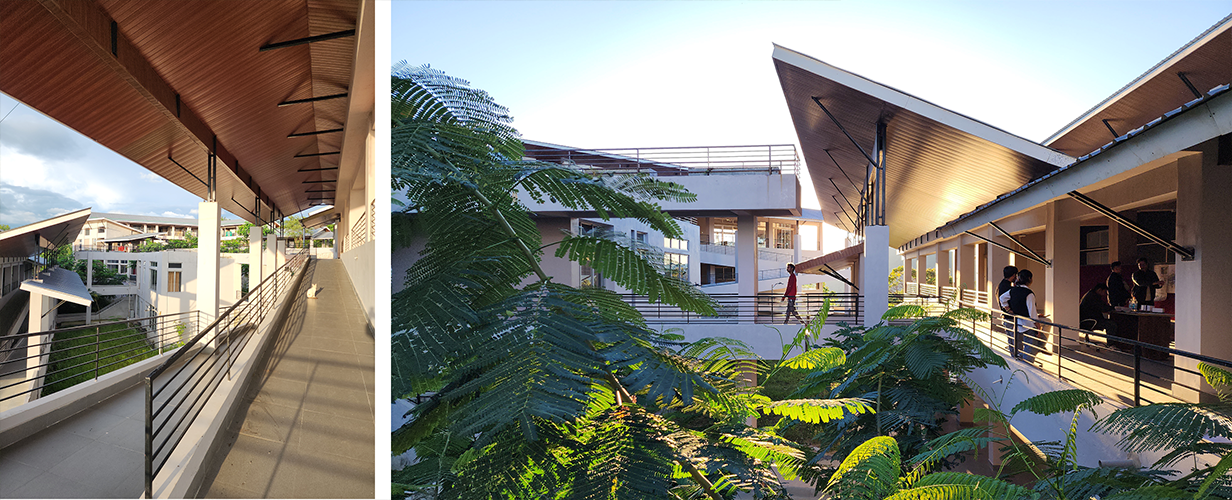
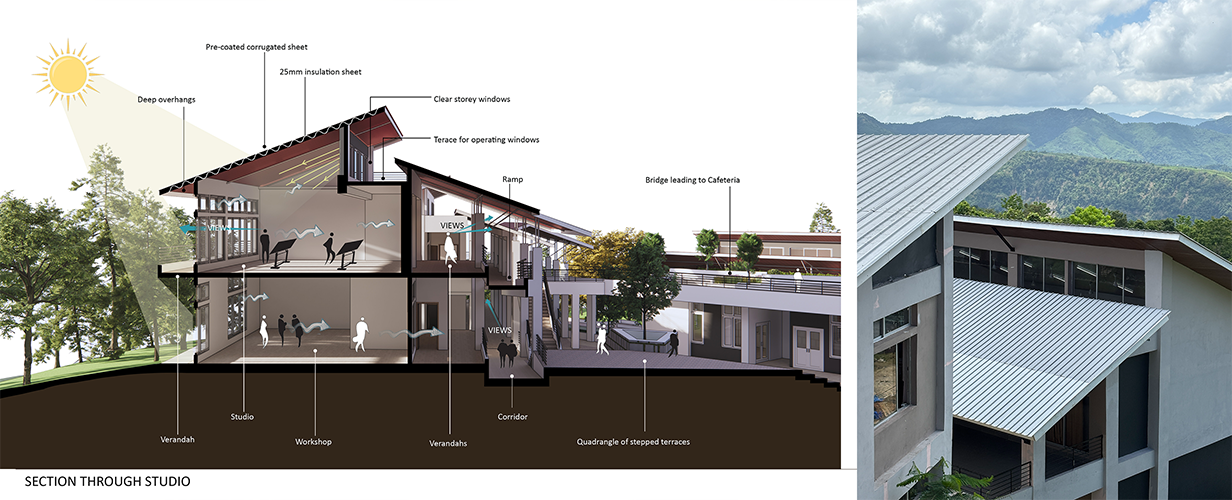
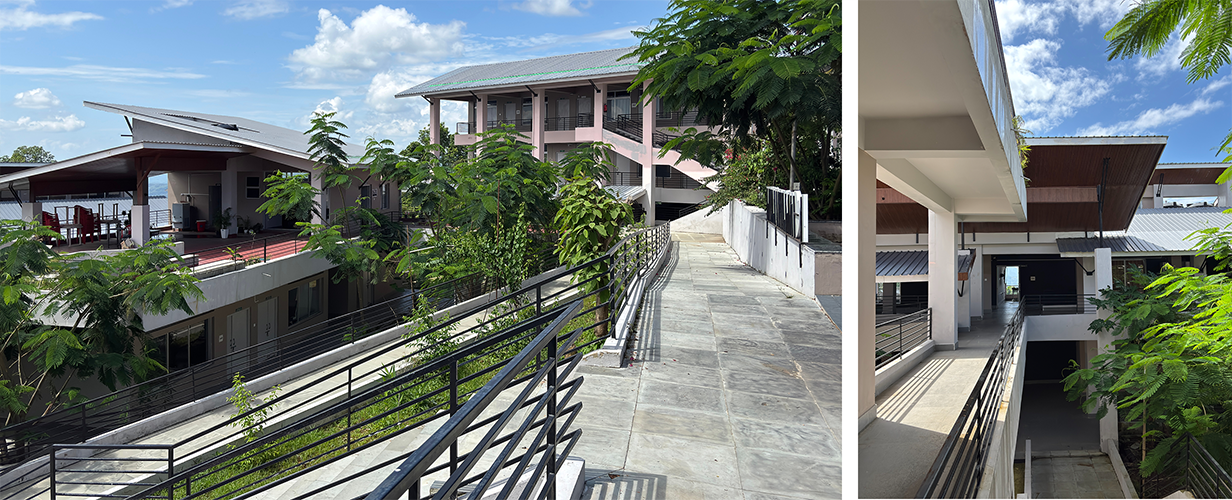
Cross ventilation is prioritized given the sub-tropical climate and prevailing cool breezes. The blocks are spaced apart to allow airflow through their intersections, and all rooms are cross-ventilated with openings on opposite walls. Bridges and open corridors knit the blocks together, while the courts are linked by meandering stairs and ramps—offering students multiple pathways around the campus.
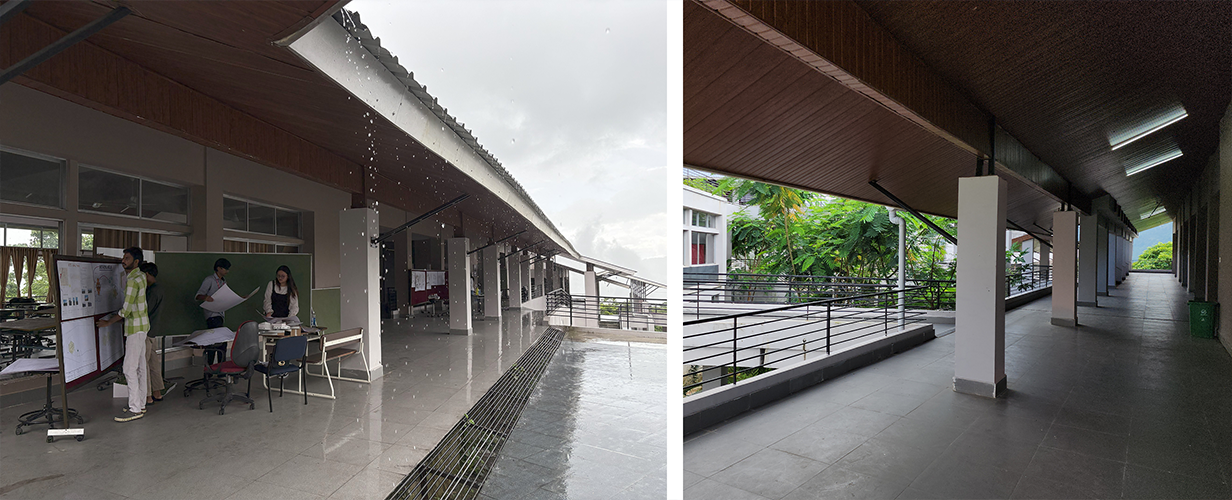
Sloping roofs echo the surrounding hills, and muted light grey CGI sheets reflect the mountain hues without overwhelming the landscape. A 25mm insulation layer underneath the CGI sheets minimizes heat gain and deep eaves (1.2m–2m) shield the buildings from sun and the rains. Gutters are recessed/concealed within the roof rather than placed at the eaves. This creates a sharper profile and the illusion that it lightly floats above the structure—mirroring the flowing terrain. Thin steel columns supporting the verandahs and corridors reinforce this sense of lightness. Rainwater is harvested from the roofs into a 1 Lakh Litres storage tank, supplementing the water supply.
STUDIO CONCEPT
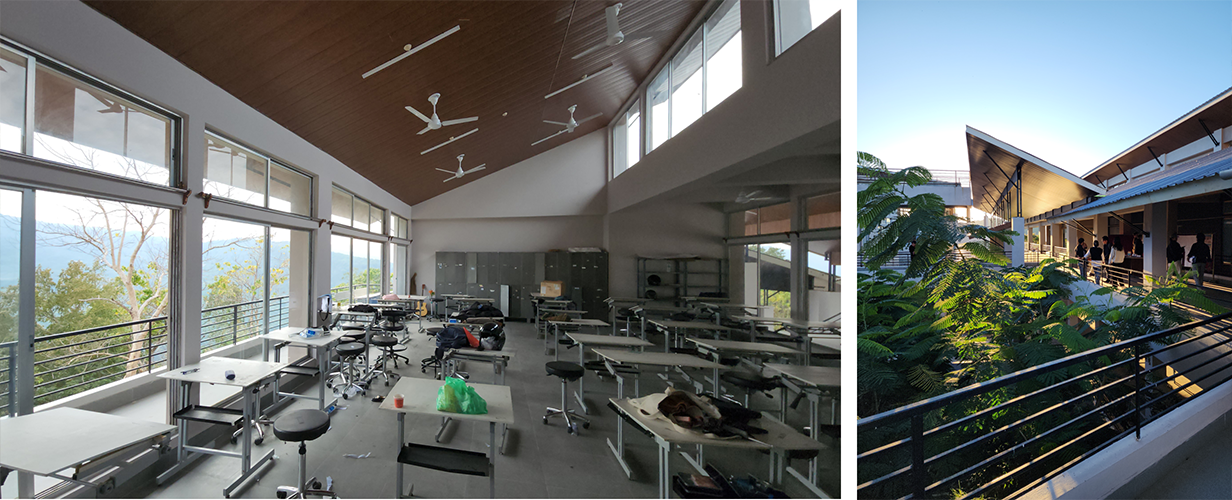
Each student batch is housed in a cluster comprising a 12m × 8.5m studio, a 6m × 8.5m classroom, generous verandahs on two sides and toilets. Studios open to deep verandahs via large sliding windows, while clerestory windows boost daylight and cross ventilation. Below the clerestory line, additional windows open onto wide verandahs and circulation corridors. These transitional verandahs encourage observation, loitering, and peer interaction without obstructing circulation. This spatial arrangement will hopefully foster openness, collaboration, and holistic development for students.
MATERIALS OF CONSTRUCTION
Due to budget restrictions, construction largely employs local materials and labour. RCC frame structure with brick masonry for civil works, steel works such as roof frames and railings of MS steel sections make up the structure. Windows are anodised aluminium sections with clear glass; door frames of locally available timber and door shutters are marine plywood. Roofs are of 0.5mm thick pre-coated corrugated steel, with 25mm thick insulation sheets. Interior floors are matt finish full body vitrified tiles and courtyards are paved with Kotah stone with alternating polished and non-polished surfaces for best traction in rains.
The design harnesses natural light, reducing the need for artificial lighting. Passive cooling through ventilation and insulation eliminates the need for air-conditioning. Rainwater harvesting alleviates pressure on municipal and university water resources.