Ar. Deepak Gugarii, Pune
Winners of Green Architecture Award
Project Name:
The Street
Year of Commencement:
2020
Year of Completions:
2024
Name of Firm:
Studio VDGA
Location:
Pune
Size:
1500 Sq.m.
Project type:
Green Design
Project Description
The Street Project
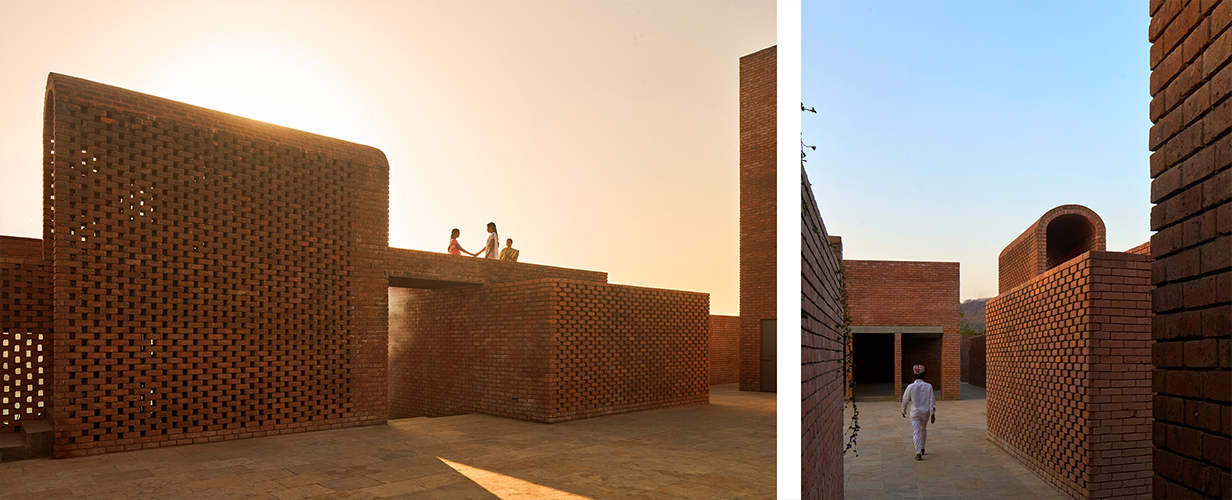
“The Street” is not just a clubhouse—it’s a cultural and architectural statement. Conceived as a response to the increasing challenges of urban sprawl and disconnection, this project reimagines the Indian street as a powerful social space. Drawing from the essence of Indian communal life, where streets and bylanes become extensions of the home—alive with celebration, connection, and storytelling—this community clubhouse seeks to revive those everyday interactions in a modern yet rooted way.
A Clubhouse beyond Amenities
Located on the rural edge of Pune and designed for a plotted community with affordable 1500 sq.ft. Plots, The Street Clubhouse supports residents who are building their own homes on the outskirts of the city. In contrast to typical developer-led clubhouses built purely for marketing appeal, The Street is envisioned as a true community-building intervention—a space that grows with the people, fosters genuine interaction, and respects the rhythms of Indian life.
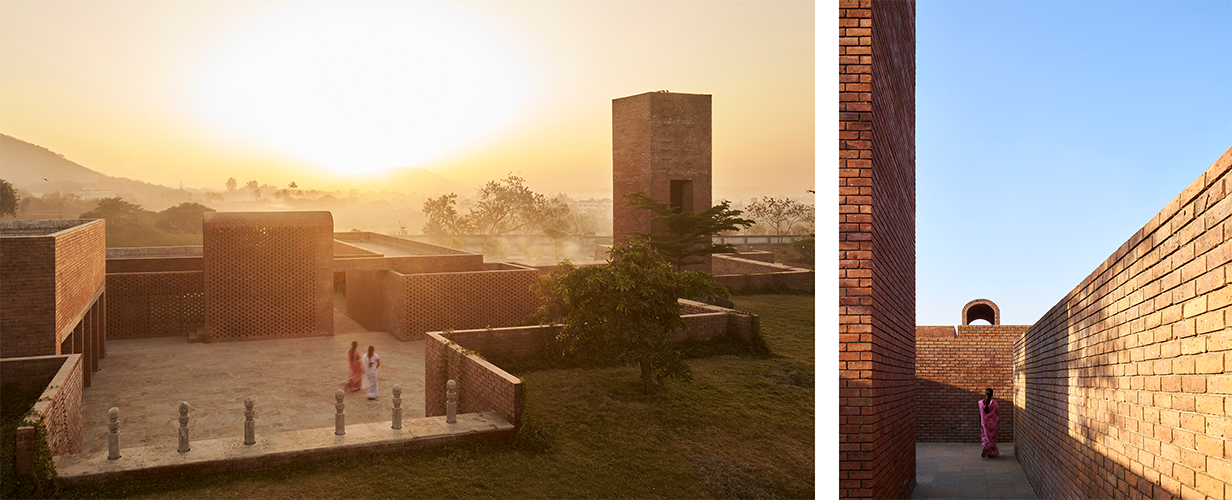
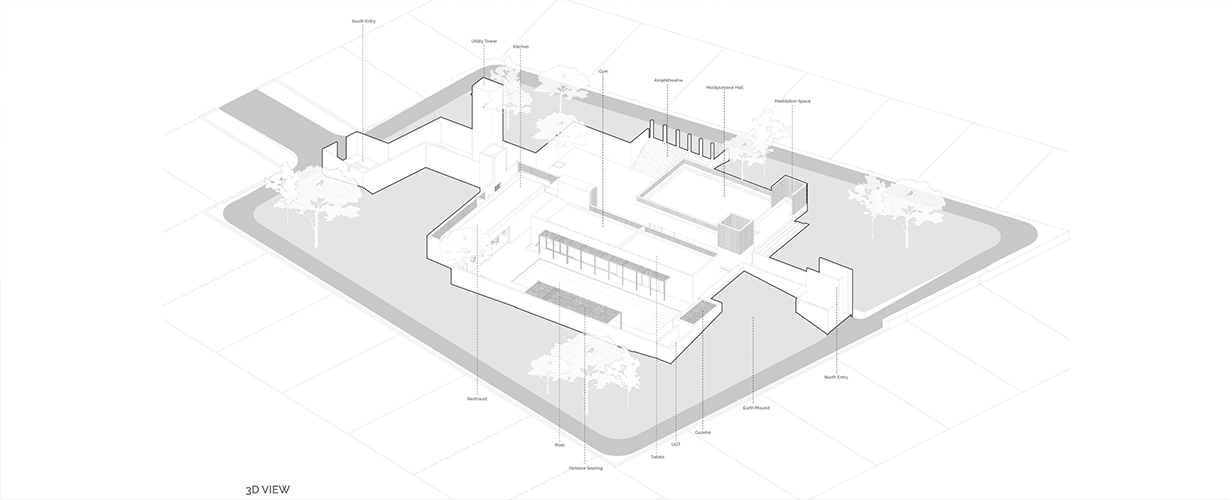
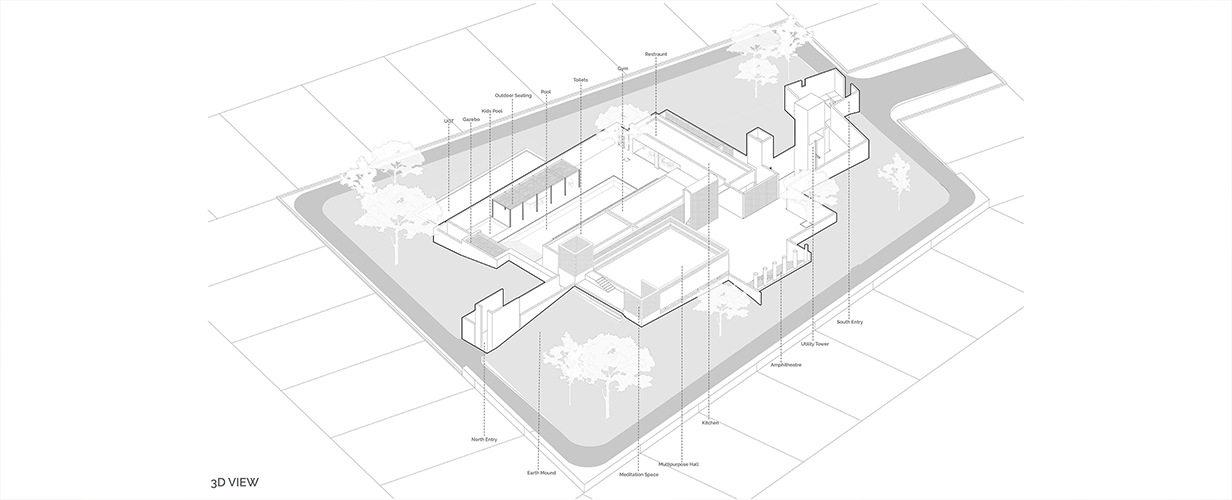
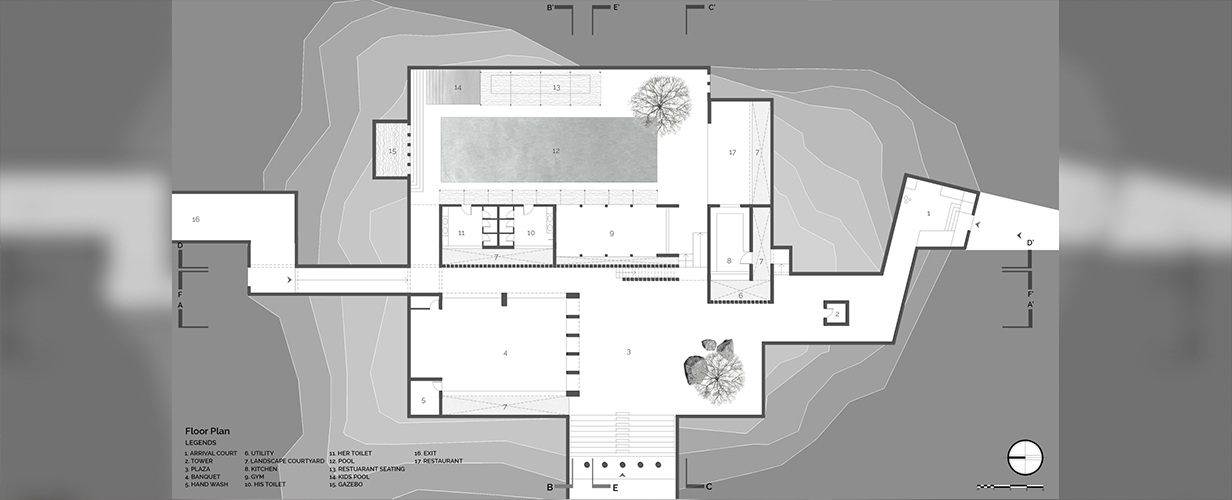
With the capacity to serve up to 800 people, the design needed to be both highly efficient and deeply human. The result is a meandering, interconnected built environment where pathways feel like familiar Indian bylanes—inviting exploration, slowing movement, and creating pauses for unexpected social interactions. From celebrations to play, from pet walks to prayer, every detail facilitates communal living while maintaining a sense of openness. The key principles of design are:
1. Community and Shared Experience
The project centres on the lived experiences of Indian neighbourhoods—spaces where life spills onto the streets. Here, the clubhouse is more than a collection of facilities like gyms, pools, and banquet halls; it becomes a place to live communally. The design encourages walking, chatting, celebrating festivals, and forming bonds—all hallmarks of Indian life that modern architecture often overlooks.
2. Seamless Street-Like Connectivity
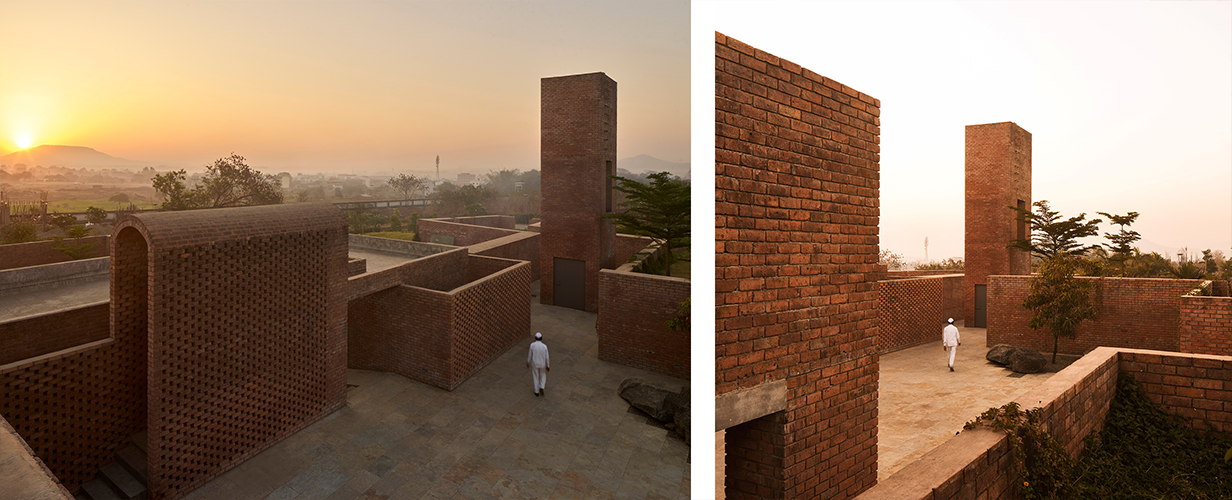
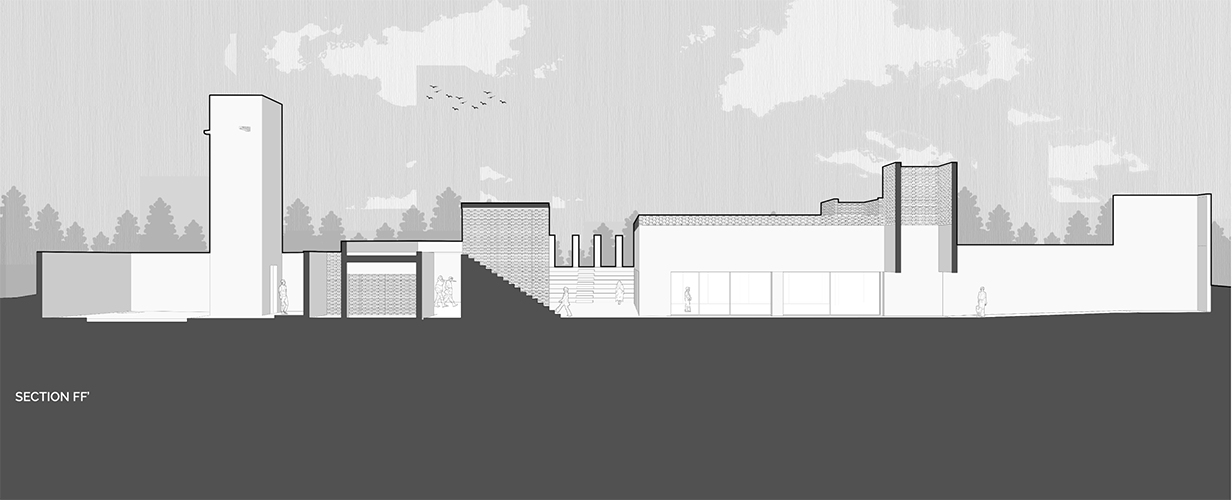
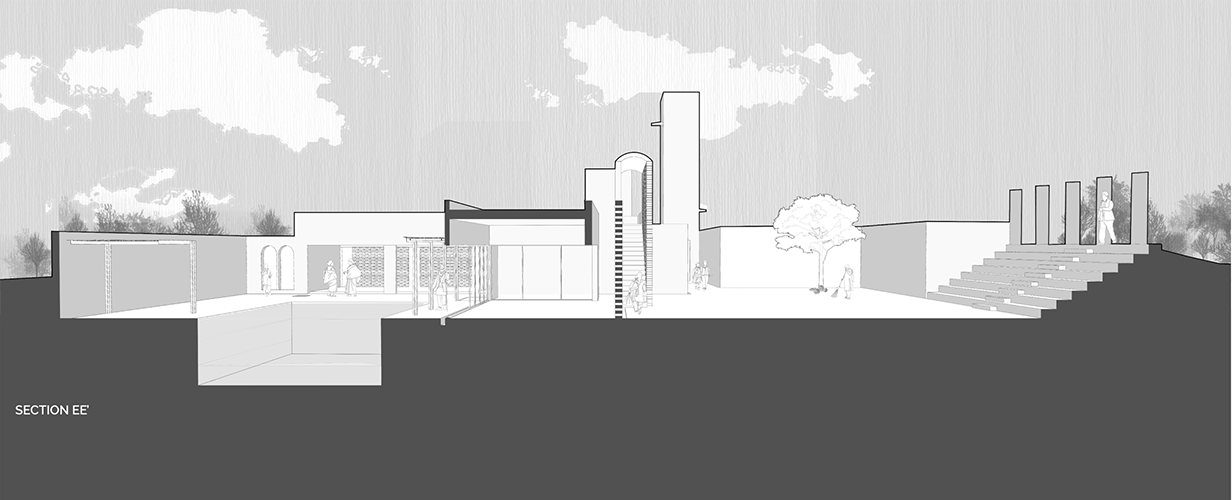
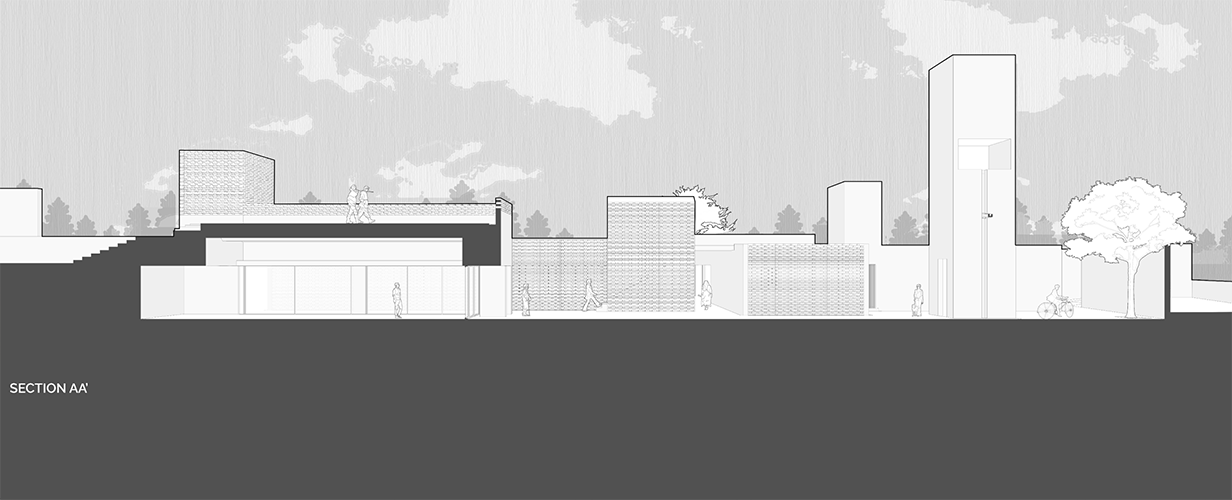
A defining feature is the central ‘street’—a gently undulating, barrier-free path that connects different functions across the site without the need for stairs. This fluid connectivity reflects the natural movement patterns of Indian life and allows all users—including children, elderly, and those with disabilities—to feel equally engaged.
3. Submerged and Integrated into the Landscape
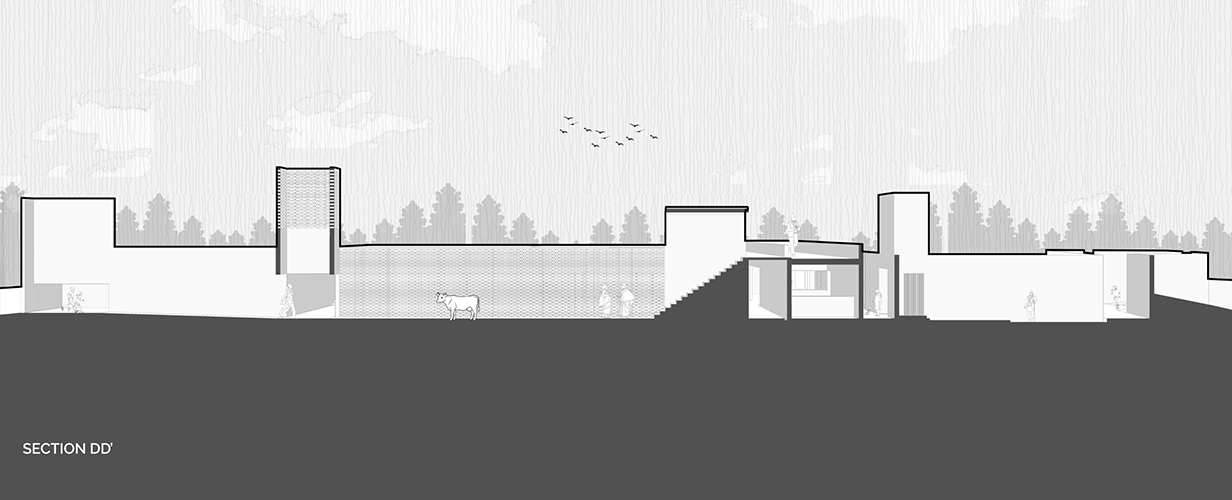
Parts of the clubhouse are partially buried into the earth using traditional cut-and-fill methods. This reduces visual impact on adjacent plots, ensures thermal stability, and reinforces a sense of place. The form appears to emerge from the land, not dominate it— encouraging discovery as it unfolds in layers.
4. Rooted in Tradition
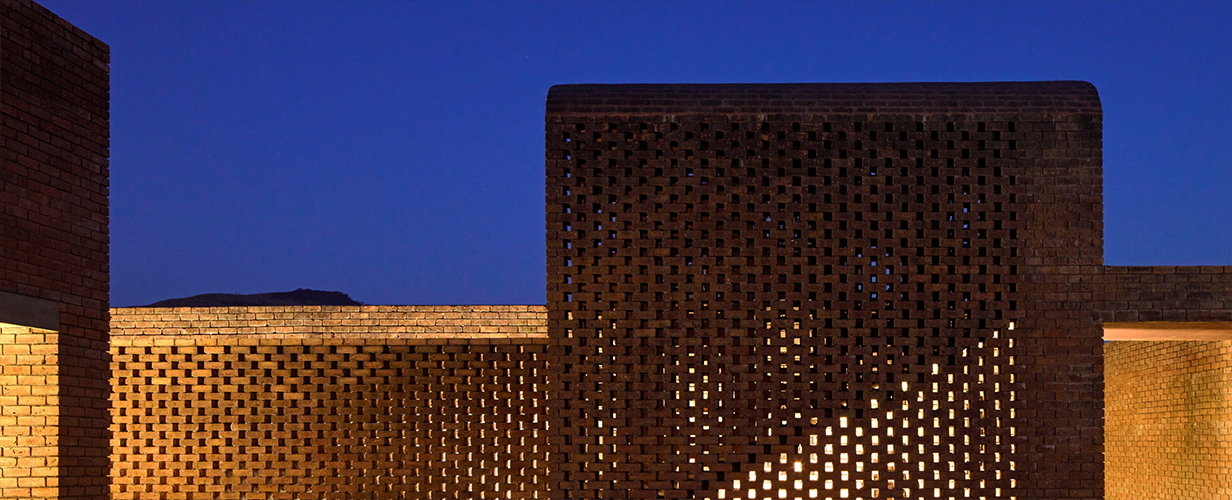
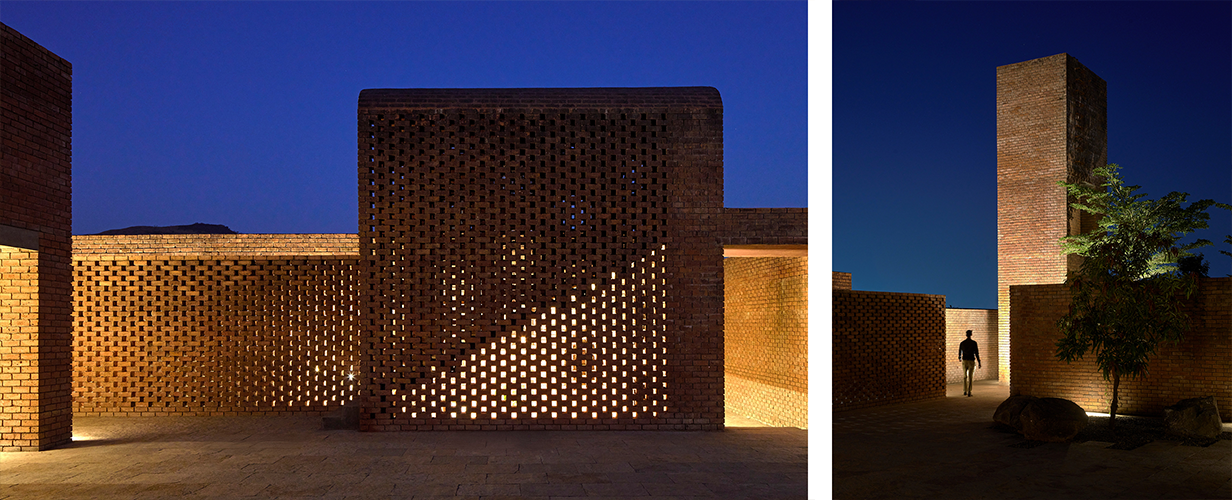
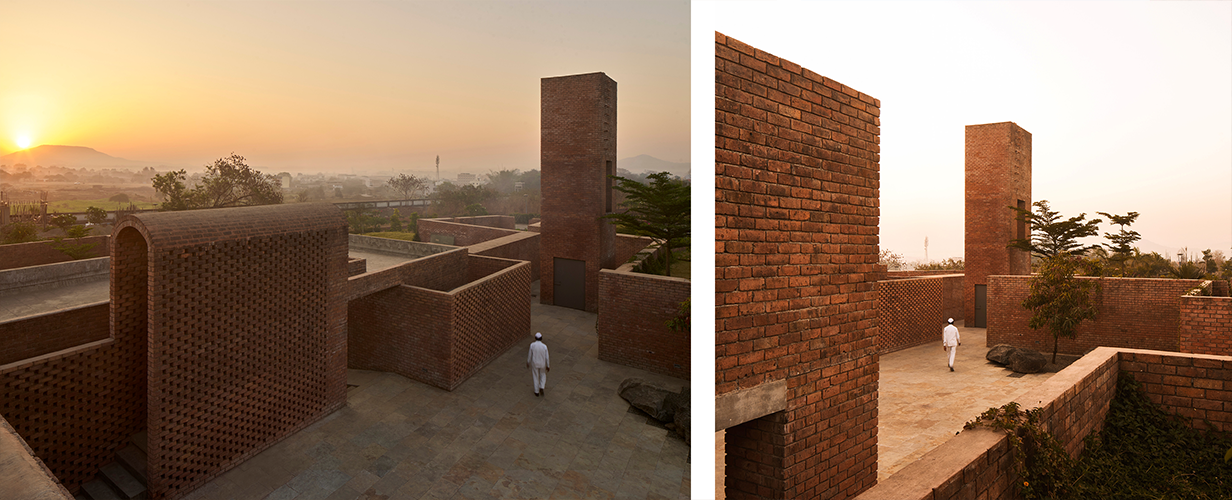
Architectural references like the water tower, reminiscent of Stambhs in Indian towns, act as cultural signifiers. Materials such as exposed local red brick and raw concrete give the structure a rustic, honest character. Aligned with Vastu Shastra, the design is spiritually and spatially attuned to its context, reinforcing traditional values in a contemporary setting.
5. Nostalgia and Indian Psyche
The layout evokes memories of narrow Indian alleys—vibrant, unpredictable, and interactive. With few enclosed spaces (only washrooms have doors), the design removes barriers between people and places, enabling a more natural, distraction-free lifestyle that contrasts with today’s digital saturation.
6. Celebration of Slow Living
Each plaza, turn, and corridor is designed to pause life—to slow down, reflect, and engage. This deliberate pacing invites residents to cherish the everyday: to sit, talk, listen, and be part of something larger than themselves. It’s a celebration of the slower, richer way of life that modern cities are rapidly losing.
The Street is a model of environmentally sensitive design that goes far beyond surface-level sustainability checklists. Its climate-responsive planning, low-impact construction, and honest material choices form a deeply contextual approach that respects both people and the planet.
Green Planning & Passive Design Strategies
1. Solar-Aligned Urban Design
The clubhouse is sited along a carefully studied north–south axis, based on solar movement. This orientation naturally shades built masses and pedestrian pathways, reducing heat gain and improving walkability even during peak summer months.
2. Minimal disturbance to the terrain
By working with existing site contours and adopting a cut-and-fill strategy, the project avoids unnecessary excavation or external soil import. This conserves energy and material, and respects the natural grading of the land.
3. Earth-Bermed Architecture
Portions of the building are partially submerged within the landscaped earth mounds and berms. This passive technique stabilizes interior temperatures and reduces heat gain, eliminating the need for artificial cooling systems.
4. Passive Ventilation with Brick Jaali
Abundant use of locally made porous clay brick jaalis allows for constant cross-ventilation and light, while reducing direct solar glare. This ensures thermal comfort without dependence on artificial systems.
5. Glass-Free Envelope
In a radical yet rooted choice, the entire building abstains from using glass, except minimally in washroom openings—each of which opens into private landscaped courts. The result is a breathable, cooler interior without the need for glass or air conditioning
Local, Honest Materials
1) Brick from Nearby Kilns
All red clay bricks are sourced from local kilns within a 1 km radius. These bricks are not only climatically appropriate but also support the regional economy and reduce transport emissions.
2) Regional Stone & IPS Flooring
Shahabad stone, used in its natural rough form, and exposed IPS flooring reduce embodied energy while being highly durable and low-maintenance.
3) Bamboo & Jute Features
Locally sourced bamboo is used as shading pergolas while jute cloth—an inexpensive, low carbon footprint and renewable material—provides sun cover for the poolside gazebo.
4) Reduced Concrete, Load-Bearing Construction
Wherever structurally viable, load-bearing techniques replace RCC framing. This not only reduces the carbon footprint but revives traditional construction know-how.
5) Rainwater Harvesting
The project includes an efficient rainwater harvesting system. All excess storm water is collected in tanks and reused for landscape irrigation and cleaning, reducing dependency on external water sources.
Integration of Local Labour & Vernacular Techniques
1. Built by the People, for the Place
The project is built using locally available labour skilled in traditional techniques. This ensures not only authenticity but also empowers the community economically and culturally.
2. Architecture Rooted in Place
By engaging the people, materials, and methods of the region, the project revives the vernacular in a way that’s both relevant and regenerative.
Conclusion: Bridging the Past, Present, and Future
The Street Project is a compelling synthesis of tradition, sustainability, and social purpose. It proves that meaningful architecture does not need to be flashy or expensive to be effective— it needs to be thoughtful, rooted, and human.
By embracing the spirit of Indian bylanes, prioritizing community over commodity, and aligning closely with ecological and cultural contexts, this project offers a powerful blueprint for how we can build our cities differently. It stands as a testament to the fact that streets are not just for movement—they are for memory, meaning, and belonging