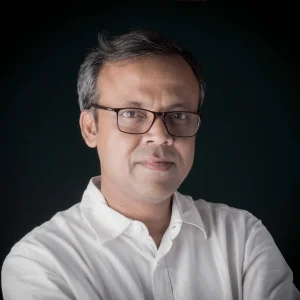
Ar. Pankaj Bhagwatkar, Pune
Winners of Green Architecture Award
-
Project Name:
The Earthy Flavour, Satara
-
Year of Commencement:
2018
-
Year of Completions:
2019
-
Name of Firm:
-
Location:
Satara
-
Size:
450 SQMT
-
Project type:
Commercial


Project Description
‘The earthy flavour’ is a pleasant setup at Satara, a small town in Maharashtra, for a coldwinter night or a warm summer afternoon, thrivingon comfort and melody of nature.
The 450 sqm restaurant on a busy road features a backdrop of the existing flora and fauna that blends with the walls of the spaces itencompasses. Preserving the existing plinth, an amalgamation of open and roofed spaces is designed to elevate the space’s mood.
The site faced north -south with a major road along connecting the NH4 highway .It had a considerable slope inwards from the road.
There were existing toilet blocks on the west side corner. Considering the natural slope, we designed the space in levelswith indoor & outdoor dining.
Here in this project, we have reduced, recycled & reused the resources to its fullest extent.
All the allied construction material and labours were procured within the 5kms radius of the site.
The entire furniture setup is bought from the nearby scrap yard and is effectively refurbished.
Special Features:
The bricks from the existing structure were carefully retained and were designed as feature walls keeping their worn texture & colour. The fragmented bricks were used as filling where necessary.
The procured stones were also used to construct the retaining walls. The windows, hinges, battens retained from the existing structure added an antique decor to the space.
The outdoor dining is a welcoming court with the existing trees around with designed landscaped areas, which also acts as a community space for celebration.
The kitchen is the extension of the existing plinth on the east which also has an accessibility from the road side. The inner semi open space has variable seating arrangements with planters and inbuilt family seating.
The low height walls on the rear side are carved out sensibly from the bricks from the demolished structure. Flooring is done in concrete finish ghotai.
The existing rear toilet blocks have been renovated using the same old door-windows.
The roofing tiles of the existing structure were reused as breathingwalls on the west side. They were stacked to cast shadows keeping the walls cooler by cutting the glare from that side and at the same time allowed a free ventilation throughout.
Significantly, the furniture used is bought from the scrap yard and has been refurbished by just adding colours & fabric to reduce the overall cost.
The landscape in the site defines a combination of the existing trees and planting few locally borne species that are very much vernacular to the place.
We have tried to design this project by retaining the existence of the procured elements by just reframing them in different moulds and respecting the significance of Reduce, Recycle & Reuse.
‘The earthy flavour’ is a pleasant setup at Satara, a small town in Maharashtra, for a cold winter night or a warm summer afternoon, thriving on comfort and melody of nature. This eatery space using materials procured from its former dilapidated structure is like nature giving back a warm hug.
The 450 sqm restaurant on a busy road features a backdrop of the existing flora and fauna that blends with the walls of the spaces itencompasses. Preserving the existing plinth, an amalgamation of open and roofed spaces is designed to elevate the space’s mood.
The site faced north-south with a major road along connecting the NH4 highway. It had a considerable slope inwards from the road. There were existing toilet blocks on the west side corner. Considering the natural slope, we designed the space in levels with indoor & outdoor dining. Due to the natural depth on site, we developed a water body along on the south side. We tried to minimize the filling cost by utilising the natural slope during the design process. The bricks from the existing structure were carefully retained and were designed as feature walls keeping their worn texture & colour. The fragmented bricks were used as filling where necessary. The procured stones were also used to construct the retaining walls. The windows, hinges, battens retained from the existing structure added an antique decor to the space.
That was quite a coverage we could utilise. The prime thought for making the project happen was with a sense of giving back to the nature.”Where a life evolves, it rests the soul there”. It wasn’t a forceful attempt of testifying the norms of green ratings. But eventually, we realised that the site already had a lot to give us than adding something to beautify it. Living or lifeless, we felt, ethically these elements were meant to be rooted on the same ground before we intervene the site, may be in a diverse facet.
‘Sustainability’ is a finer phase when it comes to achieve the architectural goals, both aesthetically & functionally. Here in this project, we have reduced, recycled & reused the resources to its fullest extent. All the allied construction material and labours were procured within the 5kms radius of the site.
The structure is lightly touched to the earth, where the surrounding natural landscape is kept untouched and other plantation is so plannedthat eventually it will be rooted back into the nature with a feeling of belongingness.
The outdoor dining is a welcoming court with the existing trees around with designed landscaped areas, which also acts as a community space for celebration. The kitchen is the extension of the existing plinth on the east which also has an accessibility from the road side. The inner semi open space has variable seating arrangements with planters and inbuilt family seating. The low height walls on the rear side are carved out sensibly from the bricks from the demolished structure. Flooring is done in concrete finish ghotai. We have kept the natural shaded tone and texture of the used bricks to retain its existence. The existing rear toilet blocks have been renovated using the same old door-windows.
The roofing tiles of the existing structure were reused as breathing walls on the west side. They were stacked to cast shadows keeping the walls cooler by cutting the glare from that side and at the same time allowed a free ventilation throughout.
Significantly, the furniture used is bought from the scrap yard and has been refurbished by just adding colours & fabric to reduce the overallcost. To our delight, all this has been carved by the local craftsmen available in the town.
The landscape in the site defines a combination of the existing trees and planting few locally borne species that are very much vernacular to the place. We have tried to preserve their existence. Every space sits outside as much and as well it is inside.
The overall journey was fun and challenging in terms of utilising minimum resources, reusing & recycling the existing elements. We have tried to design this project by retaining the existence of the procured elements by just reframing them in different moulds and respecting the significance of Reduce, Recycle & Reuse.