
Ar. Sonali Rastogi, New Delhi
Winners of Green Architecture Award
-
Project Name:
Forest Essential Facilities
-
Year of Commencement:
2018
-
Year of Completions:
2019
-
Name of Firm:
-
Location:
Rishikesh
-
Size:
10,000 sq. ft
-
Project type:
Green Architecture (Environment Conscious Design)

Project Description
Name & Location : FOREST ESSENTIALS FACILITY, LODSI, RISHIKESH, INDIA
Built-up area : 10,000sq.ft.
Description of Project :
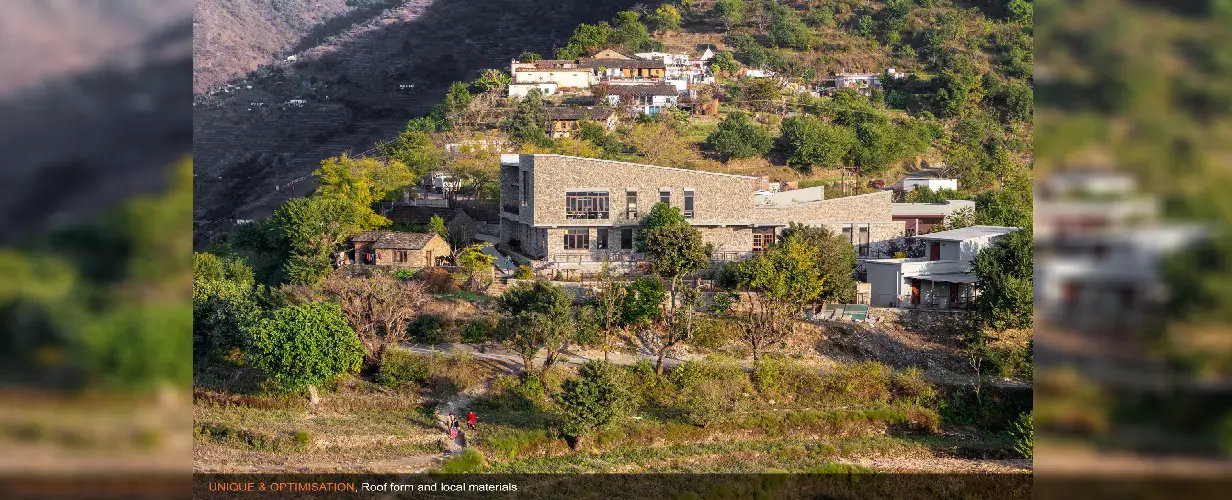
The Forest Essentials Facility is nestled in the Himalayan foothills uphill from the banks of the river Ganges near Rishikesh, India. The project is a manufacturing facility for holistic products that focus on reviving the ancient science of Ayurveda. The brand’s philosophy of infusing ancient wisdom with contemporary aesthetics became a ‘mantra’ for us to create a net-zero building through an integrated design approach resulting in a self-reliant and an off-grid sustainable production unit.
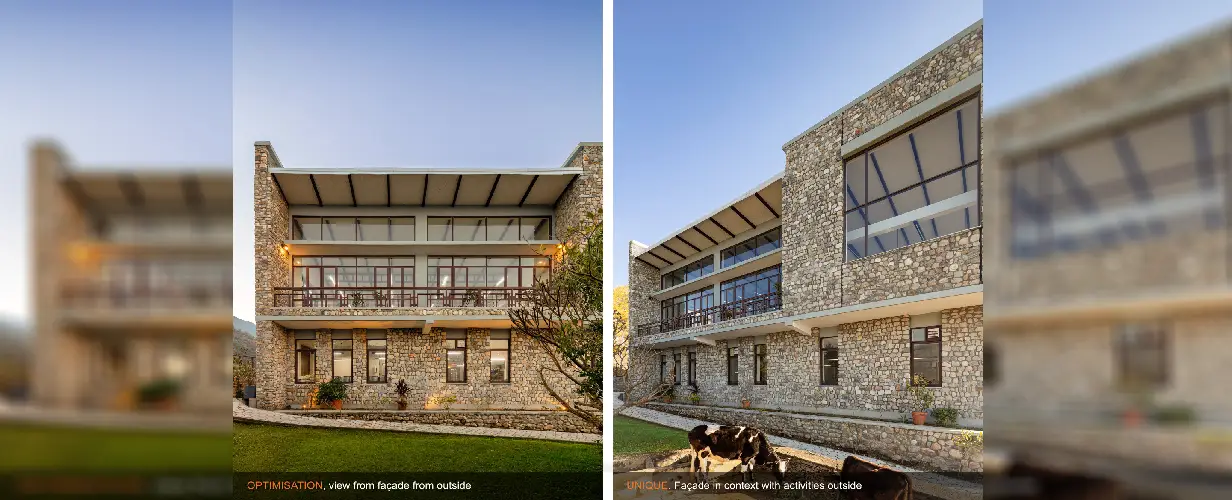
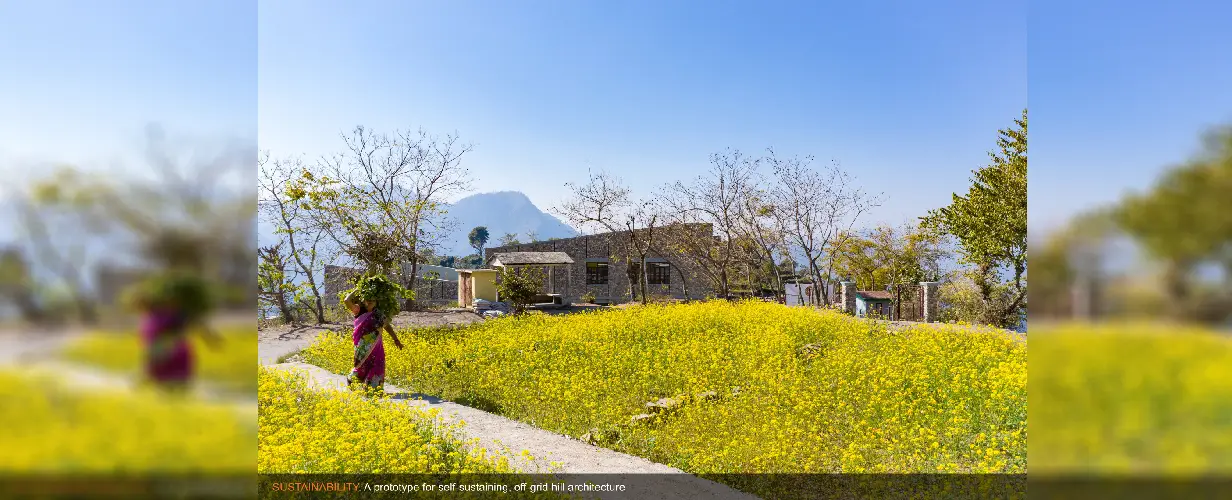
Sustainability: The built form draws inspiration the traditional ‘Kholi’ (i.e. vernacular house) design strongly influences the built form through the implementation of passive strategies (Micro-climate creation, Natural ventilation, thermal mass, glazing optimization, and façade shading) making it sustainable. Façade shading, window-to-wall ratio and building materials were optimised to ensure a high-thermal mass façade resulting in an efficient building envelope with an EPI of 35kWh/m2/yr. A solar roof generating 56kWp offsets the facility’s requirements and supplies excess to the grid proving to be Energy+. A site-specific rainwater collection tank and an effluent treatment plant meets the water requirements.
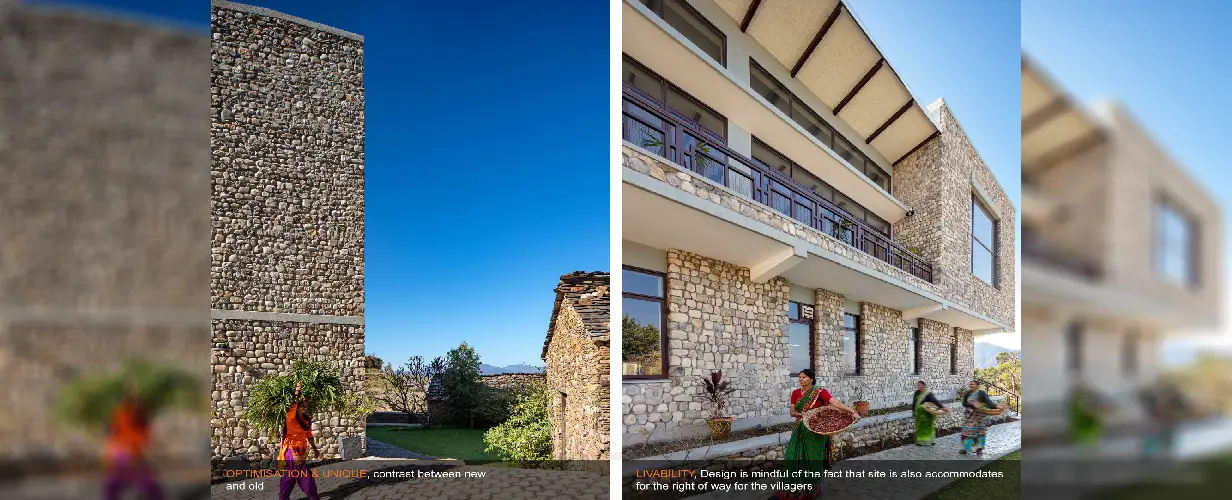
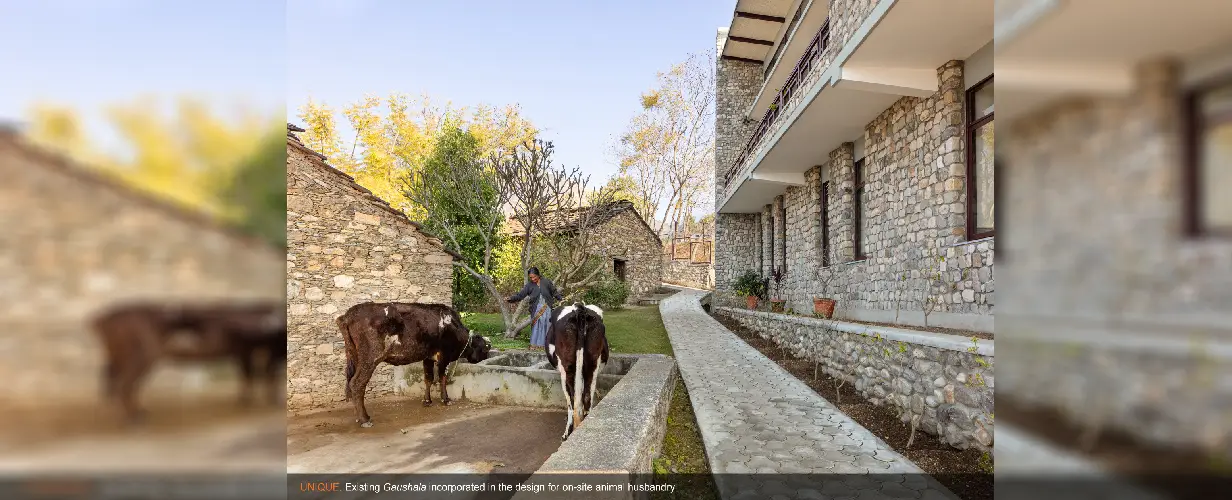
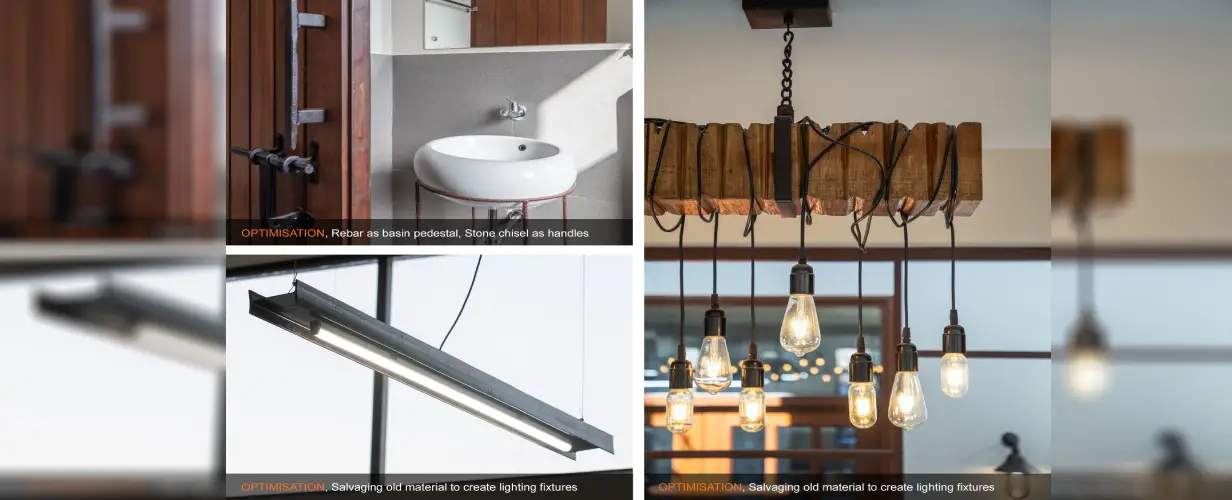
Optimisation: The facility is designed to sit on the natural contours, lowering the need for cut and fill significantly. Using excavated stone from the site for construction, minimising site waste reclaiming the wooden and metal rafters for light fixtures, reinforcement bars as wash basin pedestal and stone chisel for door handles. This leads to resource optimization while developing a design that responds to the context and the community. All by-products are either reused or used for composting. This results in a building that is net-zero on energy, water, and waste. The existing ‘gaushala’ (for animal husbandry and production of milk-based products) was incorporated in the planning and augmented with a community gathering space.
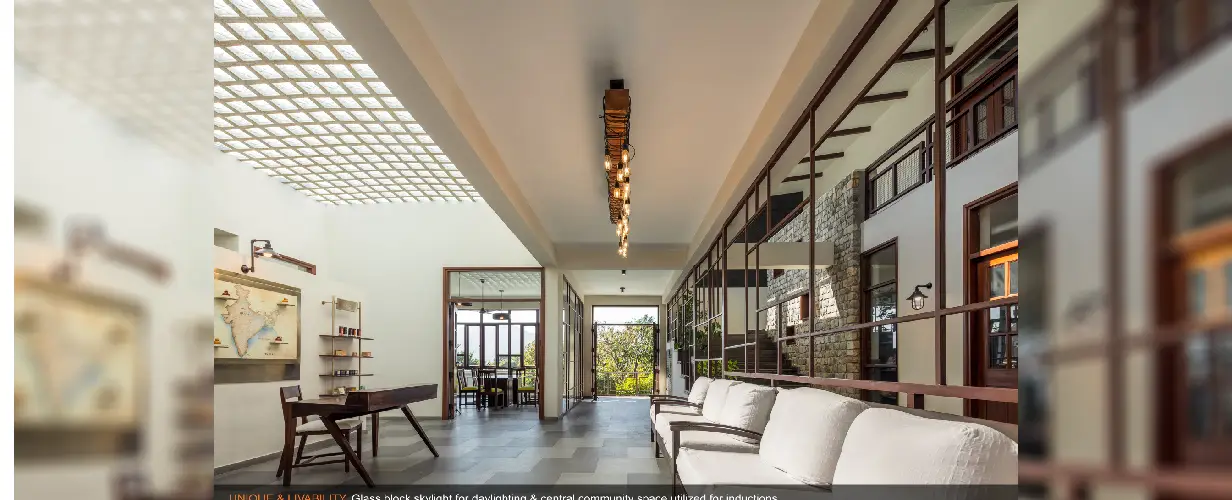
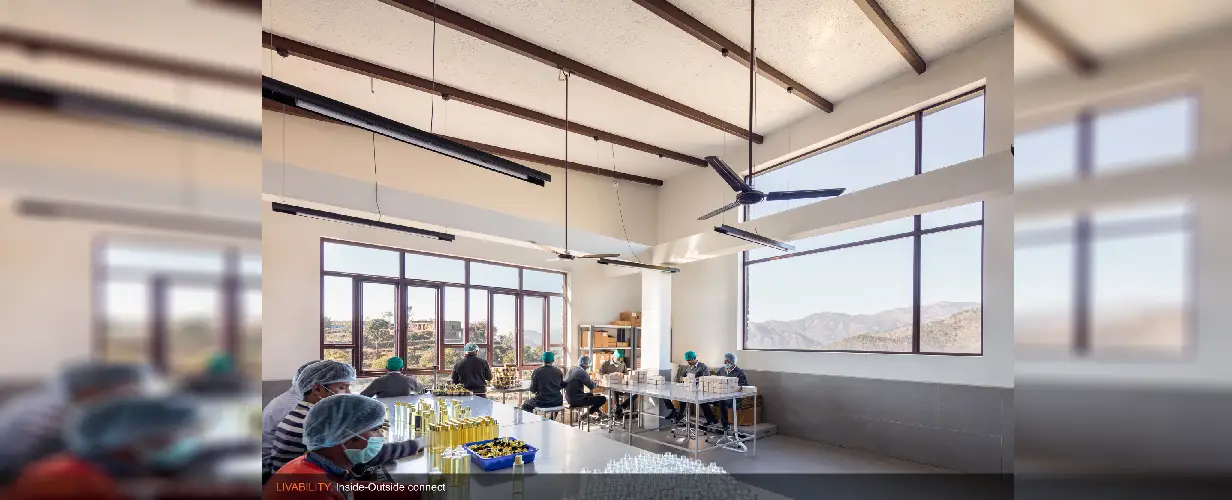
Unique: A rectilinear volume oriented along the East-West axis was planned with a central entry that divides the facility into two parts. Functions requiring a cooler environment such as herb grinding, packaging, and storage are located on the upper floor while functions with high-internal heat-gain are located below. The North-South oriented butterfly roof form allows large openable windows taking advantage of the prevailing Northeast and Southeast winds for ventilation with 80% naturally daylit spaces and unobstructed views of the valley. The high-volume of space with clerestory windows enforces Bernoulli’s principle and helps moderate indoor temperatures. The courtyard inspired from the ‘kholi’ is covered by glass blocks to meet production standards and provide a well-lit central communal space. Passive design and indigenous construction techniques give a strong architectural expression to the building.
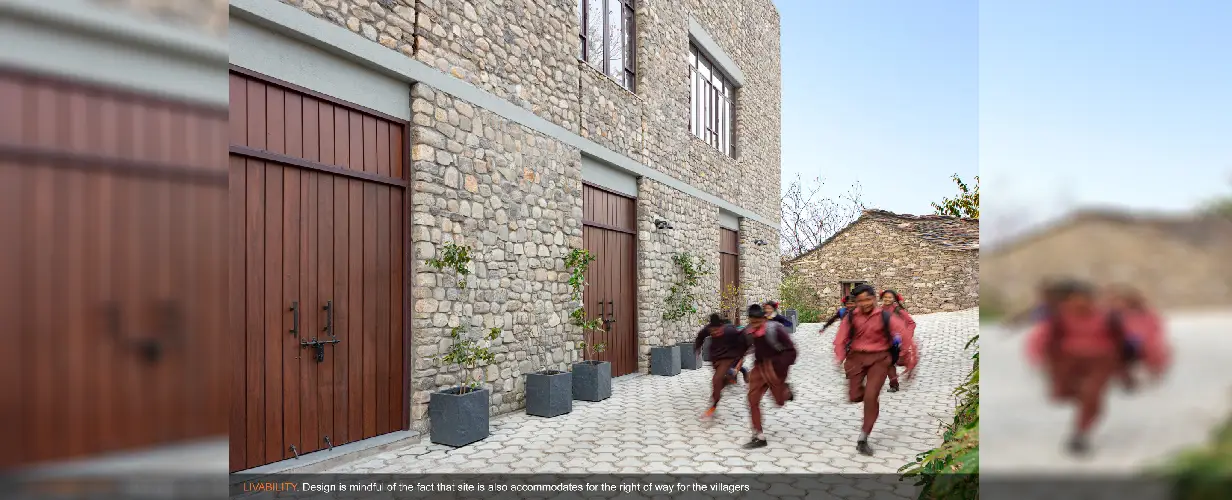
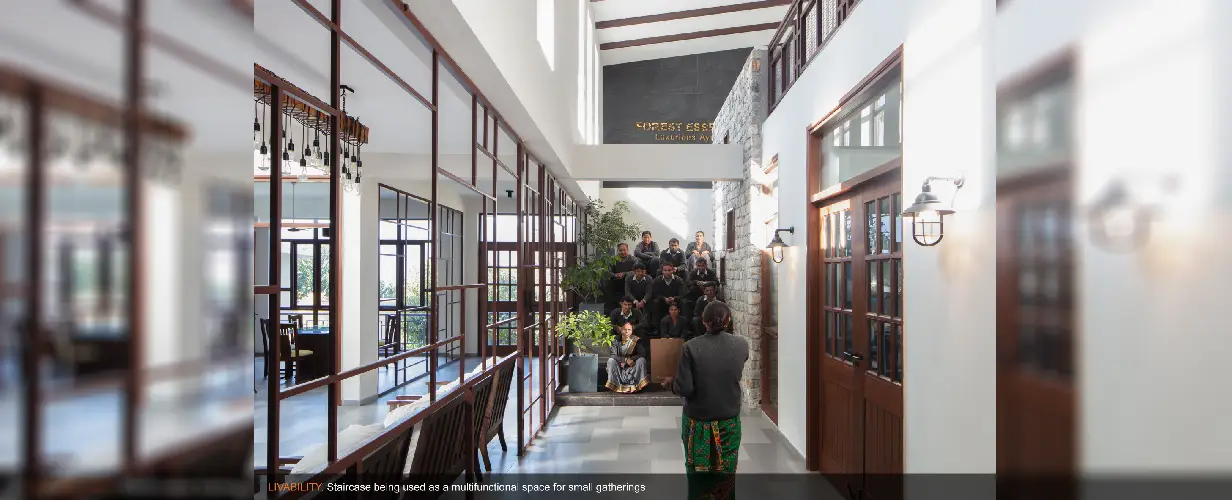
Liveability: The project employs 65 workers, which directly or indirectly supports 75% of the village households. The provision of large aangans (gathering spaces) promote the culture of the region which is that of a close-knit community.
The use of local materials, techniques and labor forms a part of the SOUL strategy of the facility, making it A Project for the Locals, Built by the Locals and for the Employment of the Locals. The design is deeply relevant in the present times, where in a country like India the perils of agglomerating in the cities has been well witnessed due to the migrant labour issue. The project aims to set a new benchmark for a decentralised community with a Global footprint.
Special Green Features :
The Forest Essentials Facility works with the past, present and the future to present a contemporary vernacular prototype for off-grid hill architecture, showcasing it as a medium for creating a self-sustaining ecosystem of humanity and habitat.
Passive design and local construction strategies helped achieve an energy-efficient building with EPI 35kWh/m2/yr.
Net Zero Energy: Solar roof generating 56kWp, generating surplus therefore is Energy+
Net Zero Waste: repurposed fixtures, use of existing foundation & top rubble. All leftover and waste-materials at site have been repurposed and reused throughout. All by-products of the facility are either reused or used for composting.
Net Zero Water: RWH system meets 100%water requirement & 2days additional storage
The planning and landscape design worked into the original village structure without creating new boundary conditions for the villagers.
After a careful study of the culture of the region, we proposed architecture in form and function as an approach to increase employment opportunities and improve the living conditions of the villagers. This project employs 65 workers, that directly or indirectly supports 75% of the village households.
Limited availability of infrastructure and resources determined budgetary and building constraints resulting in a self-reliant ecosystem.
The project aims to become a catalyst for architecture that promotes local well-being and addresses the migrant labour issue in the post-pandemic world.
The implementation of indigenous materials, techniques, and village labour forms the ethos of the facility, making it “A Project for the Locals, built by the Locals and for the employment of the Locals but with a Global footprint.”
The project addresses historic, socio-cultural and economical sustainability. It sets the perfect example for a decentralized development in the post-pandemic world.


