
Ar. Dinesh Panwar, New Delhi
Winners of Indrustrial Architecture (Commendation Award) - Indian Architecture Awards (IAA)
-
Project Name:
Stonex, Kishangarh
-
Year of Commencement:
2017
-
Year of Completions:
2019
-
Name of Firm:
-
Location:
Rajasthan
-
Size:
15000 sq. M
-
Project type:
Industrial Architecture

Project Description
Name and Location: Stonex India Pvt. Ltd, Kishangarh, Rajasthan
Built-Up Area: 20,000 sq. m
Description of the Project:
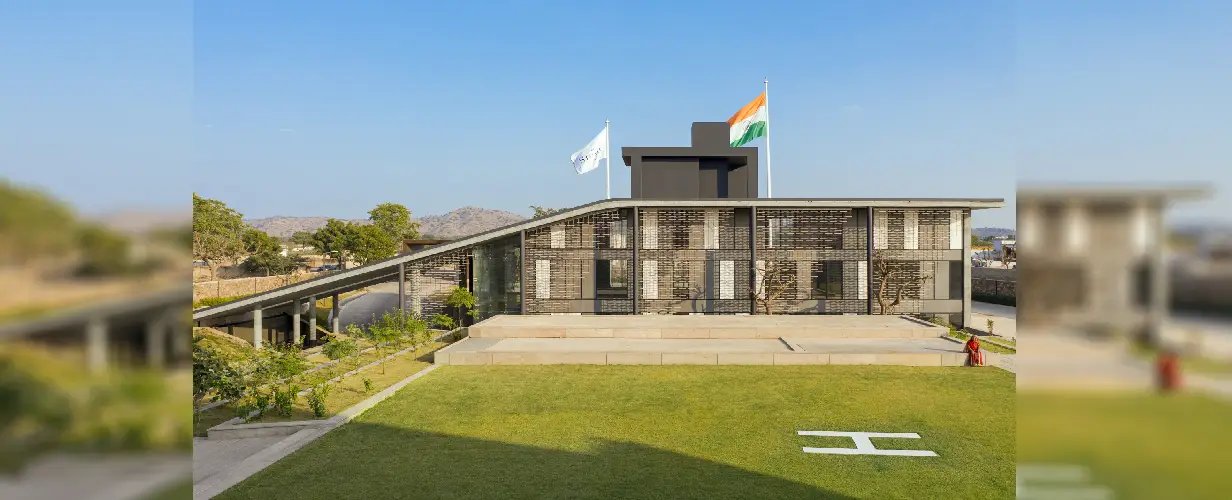
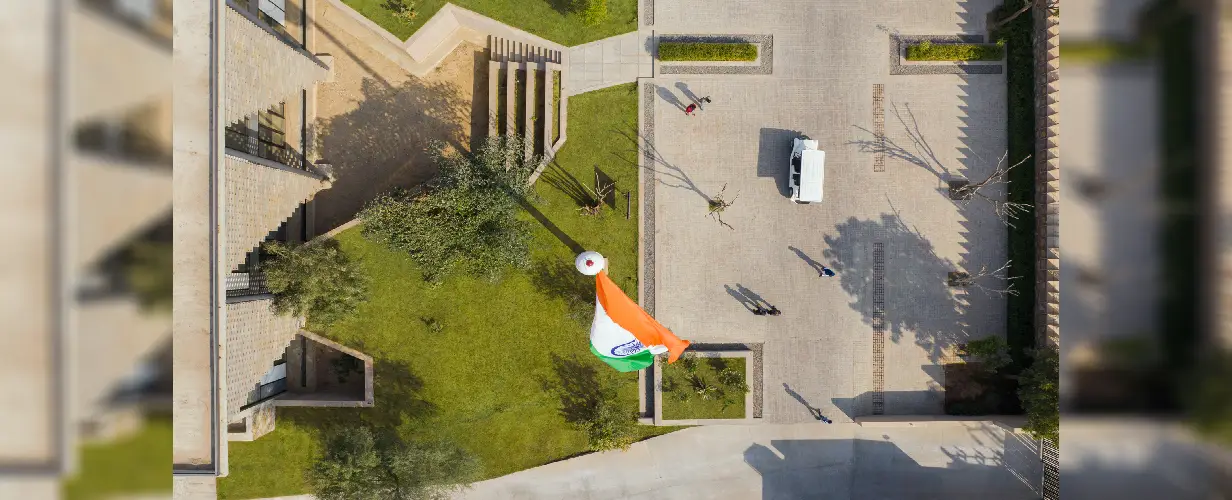
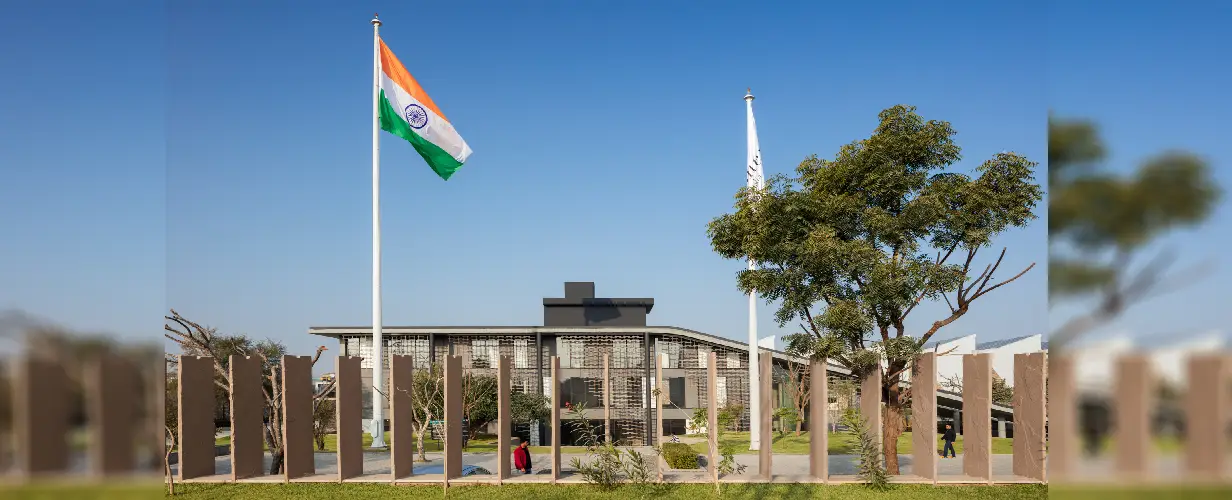
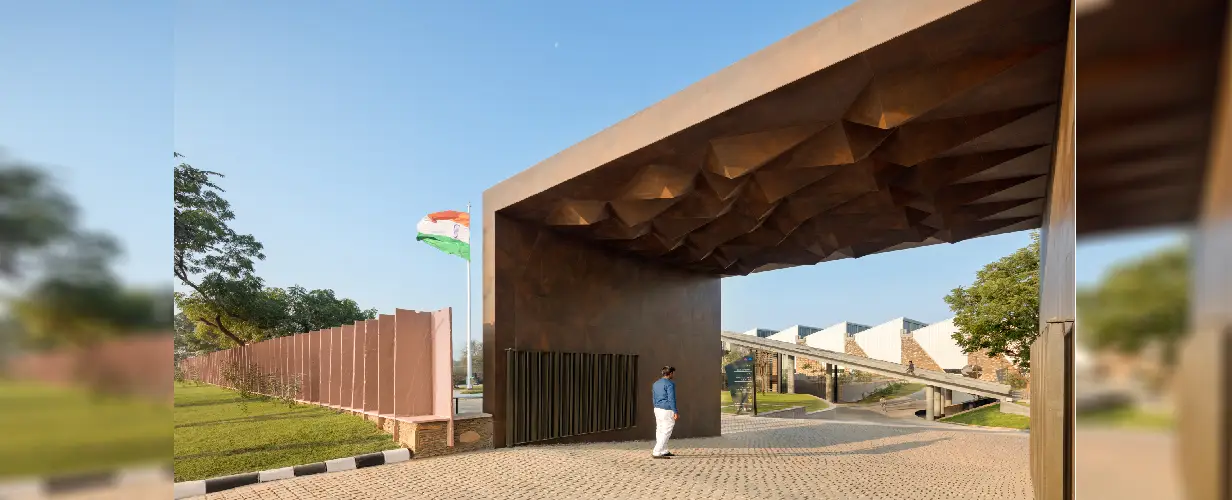
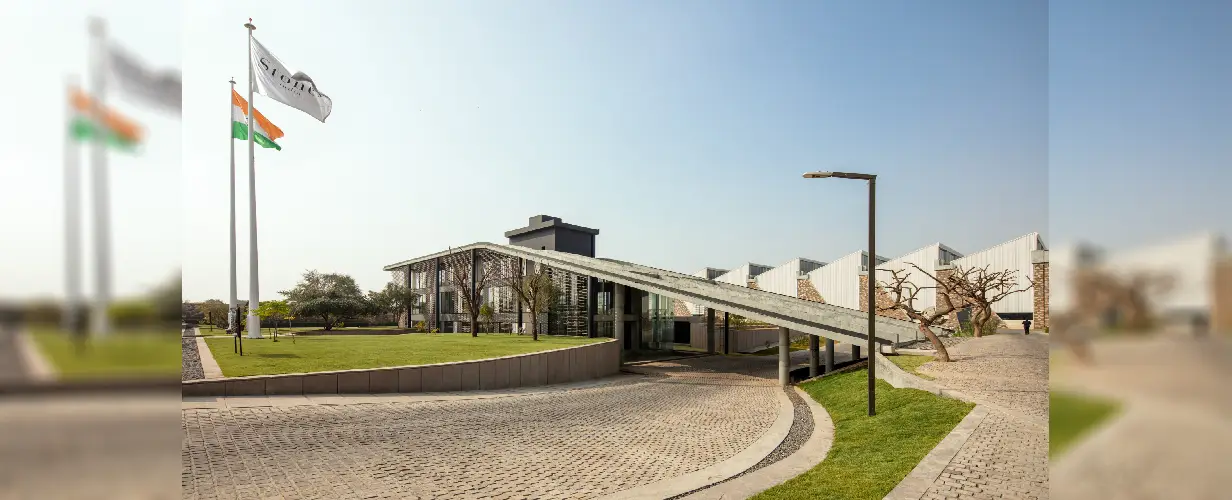
Stonex India’s administrative and industrial complex in Kishangarh has been conceptualized to serve as an eminent landmark in Kishangarh. Instead of erecting a factory-processed industrial shed that focuses on the product and does not communicate with the people who inhabit it, the Stonex factory is developed as a native production-house, geared for excellence and innovation of the global order, while successfully carving out a niche of its own amidst the industrial landscape.
A product of simultaneous interactions between dynamic ordering of principles across varying systems and scales, and responses towards the site, the architecture is an attempt to manifest the user at the centre of the design process. Drawing inspiration and making reference to the regional Sonpura temple, the building crafts a sense of belongingness and a sense of place by using local rubble as a muse for its own identity. Keeping the worker who inhabits the typical stone processing factory of a similar scale and nature, under harsh working conditions, the design of the complex is an attempt to enable a better work environment. Typically, the workers work in harsh temperatures of around 48 degrees Celsius with scorching sun and dry heat throughout the day. The production unit is thereby designed to keep the inside space comfortable throughout the day even when the temperature outside are at peak.
Materials/ Construction Details: The orientation and design of the building facilitates climate responsiveness. The hot and dry climate of Rajasthan is combated by the partly sunk mass, staying cool during summers and warm during winters. This is achieved by the natural phenomena of Earth Berming and Earth Coupling. The temperatures indoors are regulated with the help of radiant cooling, allowing for a 60% efficiency in the running cost of the building. Also, this has led to HVAC load cutting by almost 40%. The floor slabs are additionally radiant cooled to regulate temperatures.
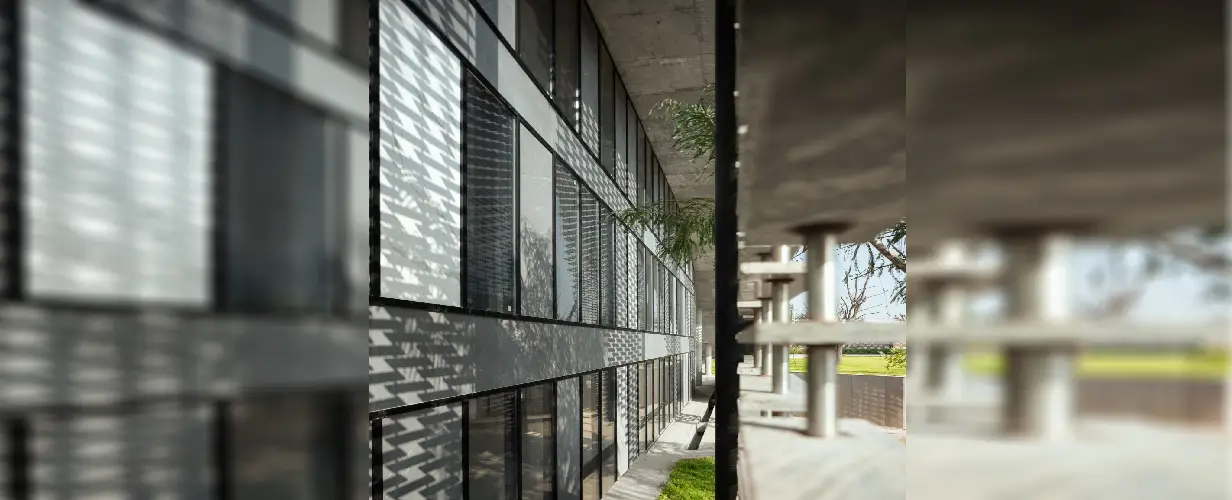
The skin of the Office building sandwiches a puff panel between two laminam panels to further insulate the interiors. The façade is complimented by an enveloping stone screen that is fabricated using the waste stone from a nearby quarry and the stone wastage that is generated on site. This screen provides solar shading from the south-east and west glare. A playful, visual appeal is created by the light and shadow of interwoven stone blocks that appear to be floating at different levels.
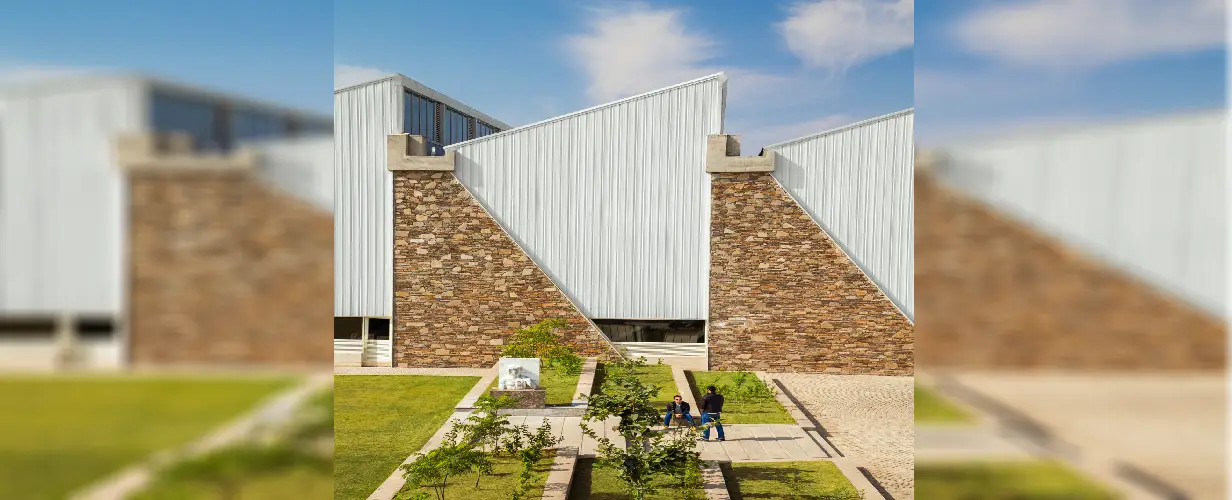
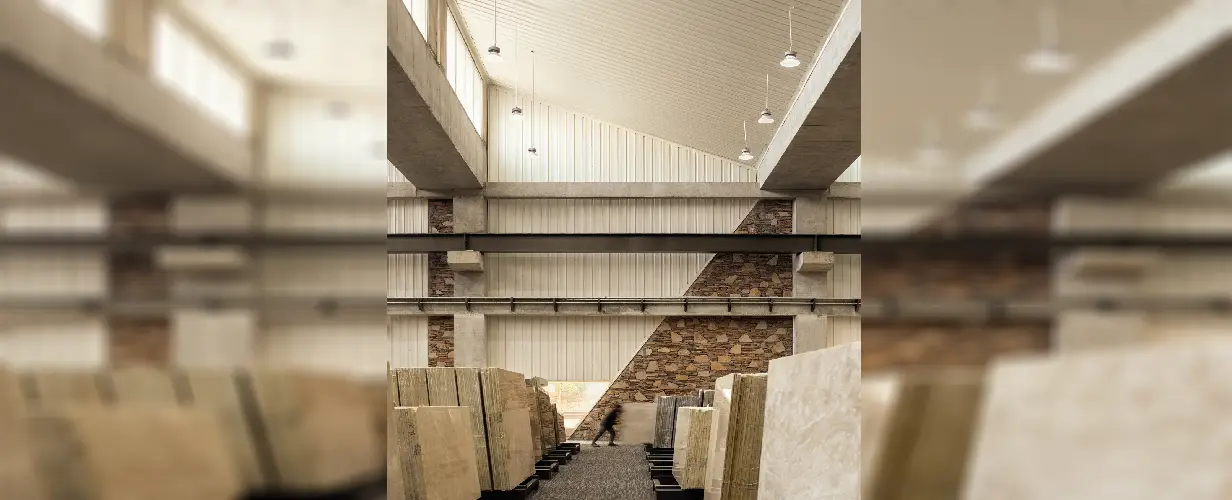
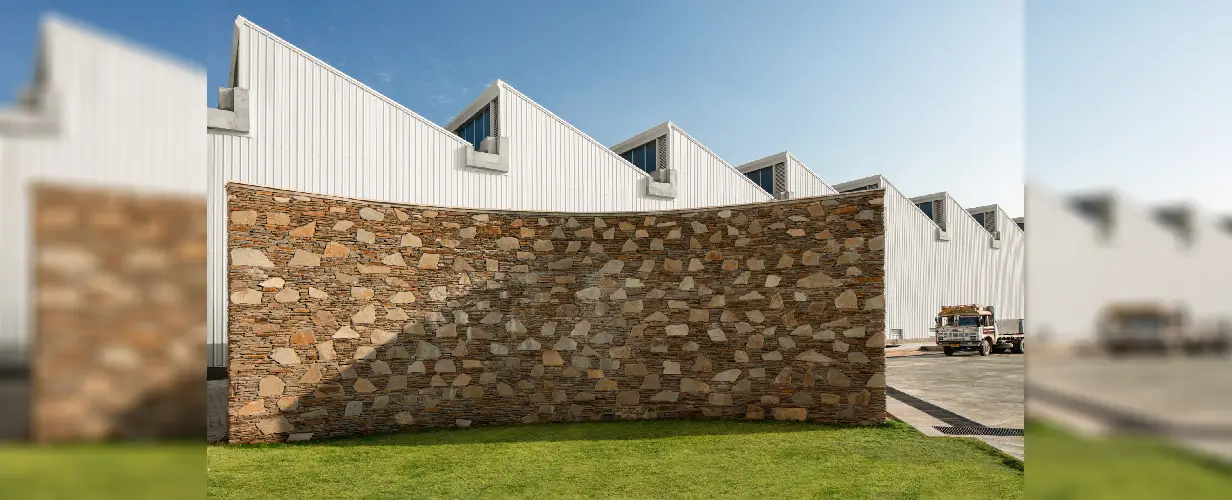
The processing plant and display area are both well insulated, using local rubble walls of 550mm thickness towards the east facade and insulated galvalume sheet in the triangular flutters- with a blank facade towards the west. Glazing and lovers at the lower level help the viewer connect visually with the landscaped surroundings while the louvers and glazing towards the north light develops a wind draft to release hot air inside and bringing north light inside. While the local rubble masonry facilitates the passive design in order to optimize the climatic conditions, there is also an intent to involve the local masons, and empower the craft and the craftsmen.
Special Features: Functionality drives the design; the linear production process is used as a design determinant to avoid the workers being forced to do manual lifting, prone to accidents, which is otherwise a common process. Two people can therefore, bring in a 25 Tonne block from one end, process it, display it, and dispatch it on their own. Architecture has opted to campaign human life; by forcing better working conditions, physical and emotional well-being, creating comfort and thereby ensuring better communities and a richer built environment.
Prefabricated white metal flutters give the entire structure a buoyant profile, when looked at from afar. The stone buttresses make the building appear grounded at a more proximal viewing. The sides facing east and west are mostly blank, barring the small windows that connect the occupants with the surroundings. The windows also create a wind draft across the height of the shed expelled through the ventilators along the north light trusses therefore avoiding hot pockets at the top and effectively cooling the building by about 10-12 degrees. The building is designed such that the spaces are used judiciously, allowing for maximum possible green cover and soft scaping. Other sustainable measures include the use of bio STPs that recycle waste water and use it for landscaping and flushing toilets, 100% rainwater harvesting that keeps the groundwater table recharged and soft scraping inside that aids the creation of shaded areas to create a microclimate and keep overall temperatures of the facility low.


